
Kattakurgan Reservoir
Known locally as the “Uzbek Sea”
This site is in test mode — some information may contain errors.
Report
The last riverside forests of the Zarafshan
A nature reserve founded in 1975 and a national nature park since 2018, protecting tugai riverside forest along the Zarafshan, the endemic Zarafshan pheasant and the Bukhara deer.
The Zarafshan Nature Reserve was founded on 11 May 1975 to save the only surviving stretch of foothill tugai — dense riverside woodland — in Uzbekistan. It ran as a ribbon 150 metres to 1.4 km wide for 35 km along the right bank of the Zarafshan, from the Pervomay dam on the Tajik border to the Chupan-Ata hill outside Samarkand. On 7 February 2018 it became a 2,426-hectare national nature park in Jomboy and Bulungur districts, and in March 2025 it was enlarged to 5,234 hectares with land in Toyloq and Urgut districts.
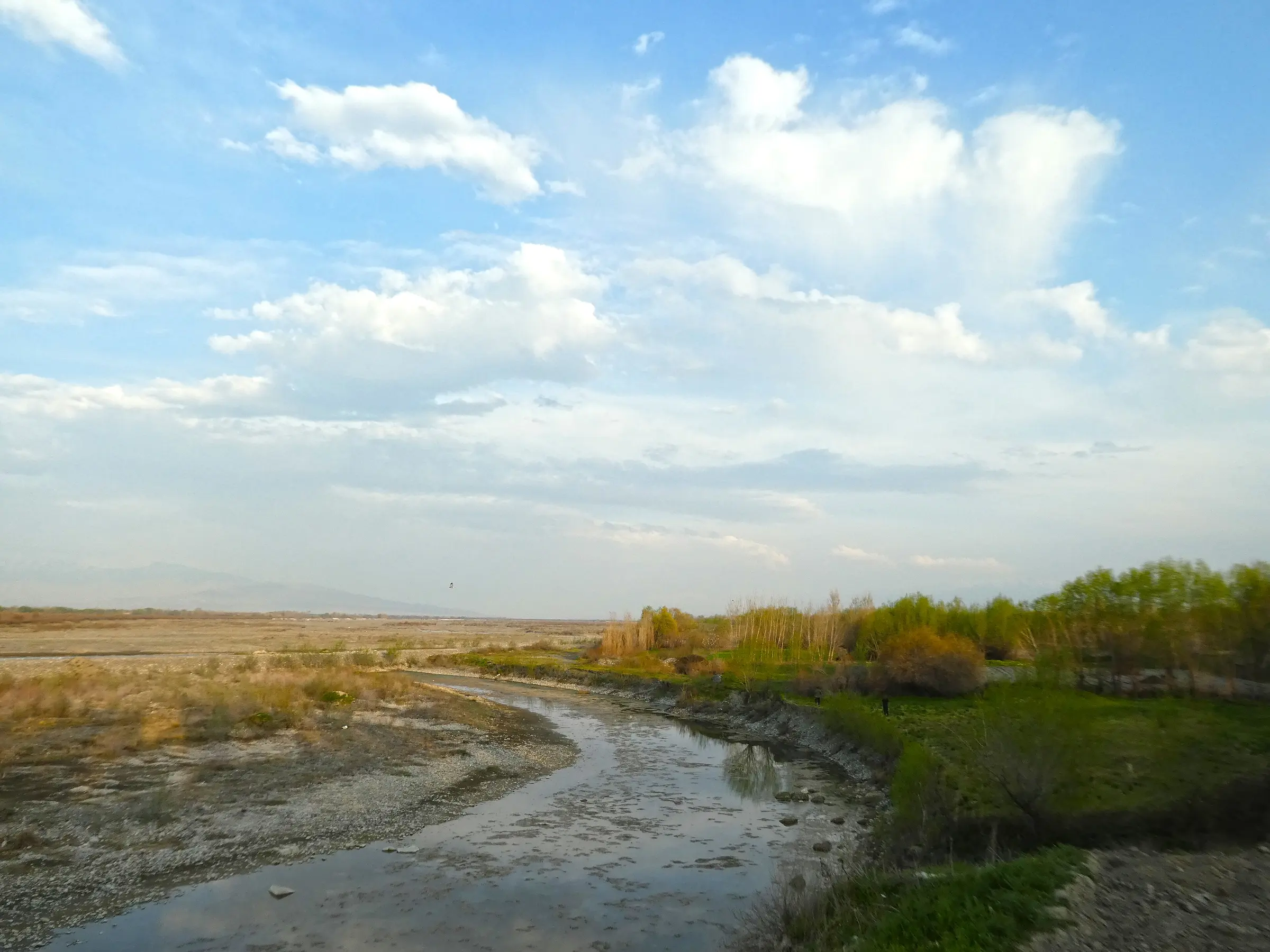
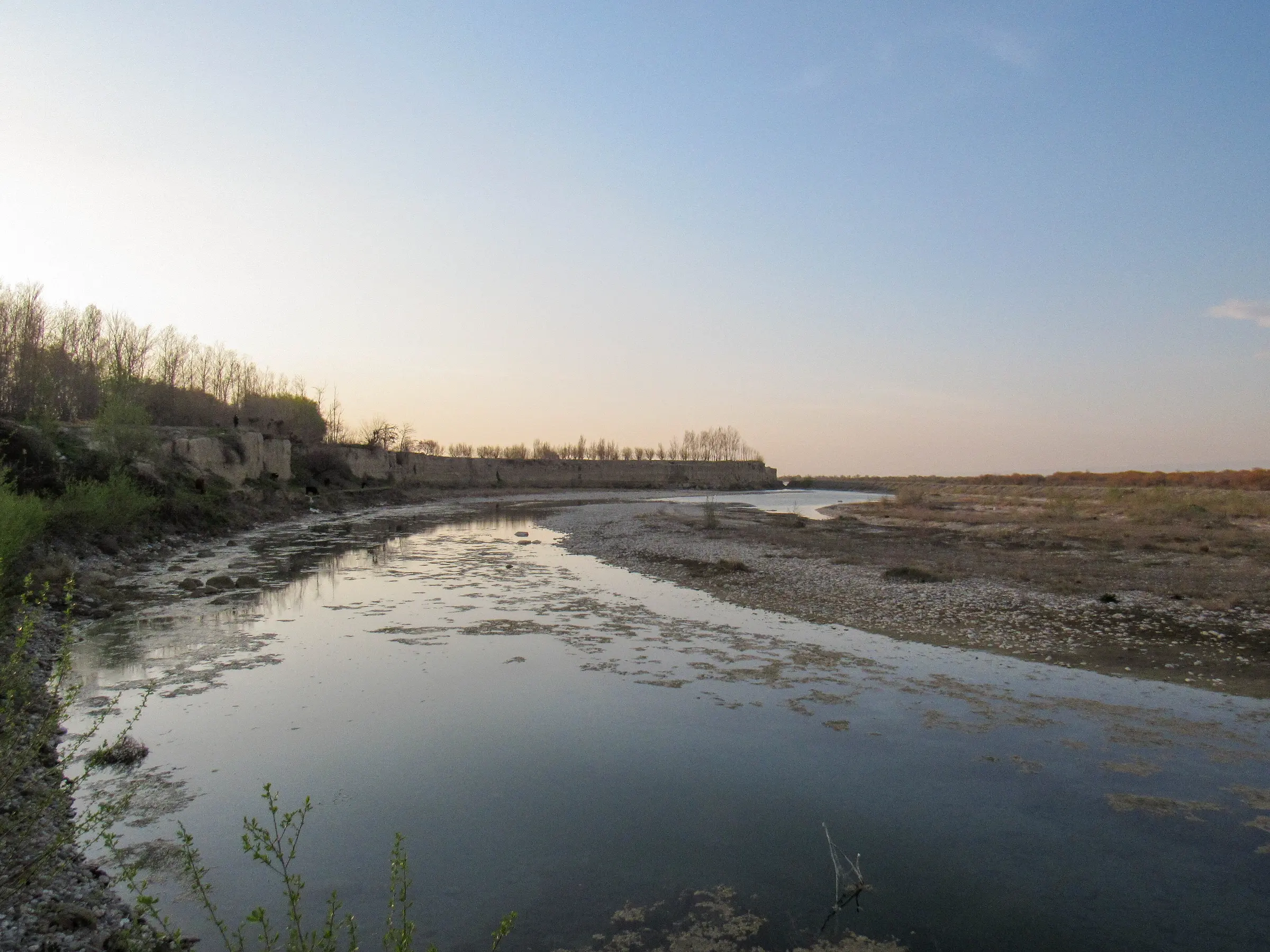
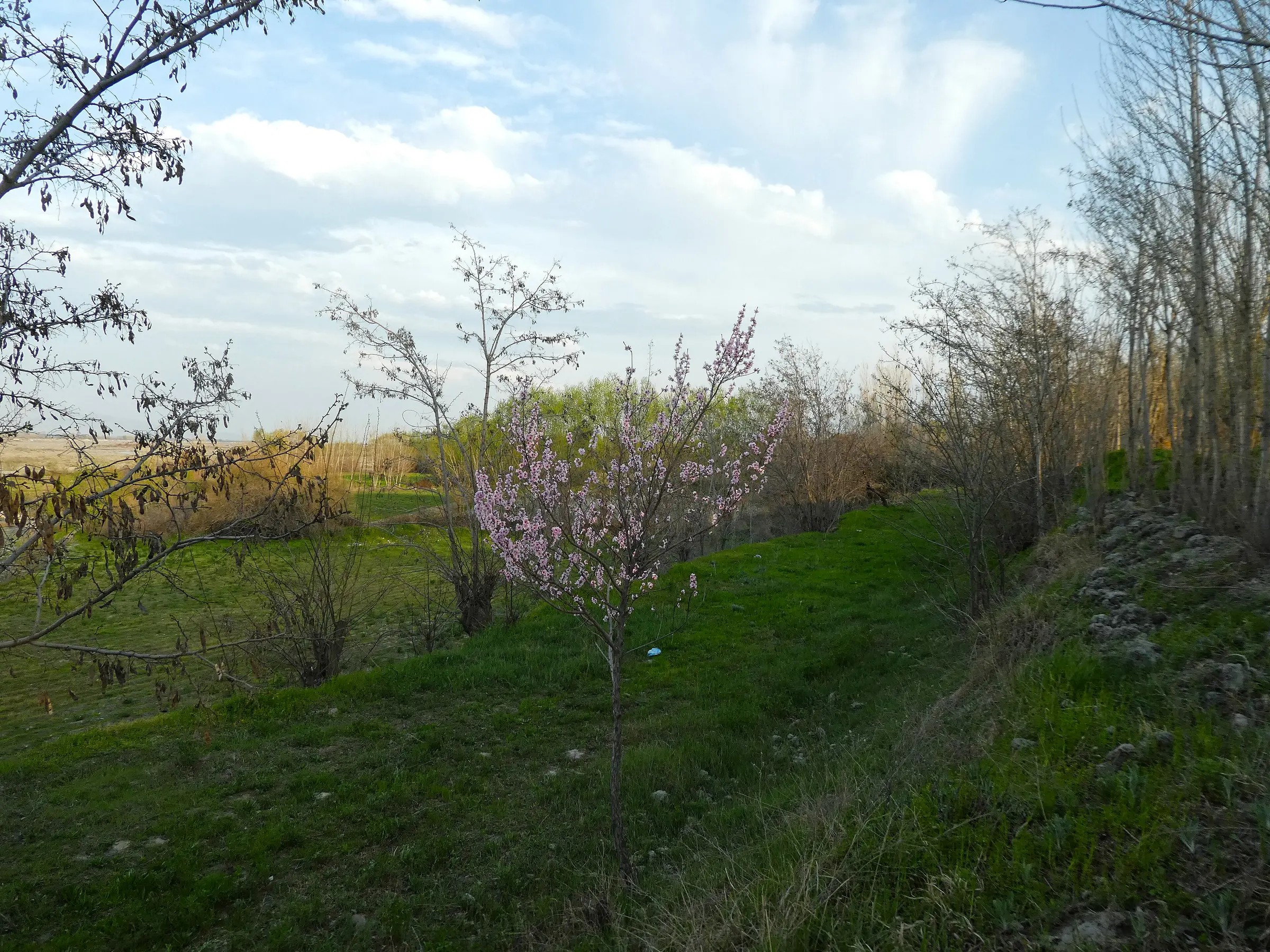
The tugai is a tangle of sea buckthorn, oleaster, willow, tamarisk and Euphrates poplar, and, depending on the source, between 170 and more than 200 bird species have been recorded. The park's emblem is the Zarafshan pheasant, a subspecies found only in this valley. In 1996 endangered Bukhara deer were brought in from the Badai-Tugai and Kyzylkum reserves, and the first fawns were born here in 1998.

A 2,435-hectare sanctuary for the Zarafshan pheasant was set up here as early as 1958. In 2022 it was transferred from the forestry agency to the state environmental authority. Under the 2025 decree, 1,772 hectares form a strict reserve zone, 472 hectares are open for recreation and the rest is a managed-use zone. In flood years the river covers about a third of the area, a natural cycle the tugai depends on. Porcupines, jackals and foxes also live here.
Gallery
Stay & eat
Resort · 12 km
Hotel · ★★★ · 12 km
Hotel · ★★★★ · 12 km
Hotel · ★★★ · 13 km
Restaurant · 12 km
Restaurant · 12 km
Restaurant · 13 km
Teahouse · 13 km


For example: Registan, Ulugh Beg, plov, Urgut


