
Siyob Bazaar
Samarkand's biggest and oldest market
This site is in test mode — some information may contain errors.
Report
Samarkand paper, reborn
A riverside workshop in Konigil village where the famous Samarkand paper is once again made by hand from mulberry bark. Watch every stage, try making a sheet yourself and linger by the water.
In the Middle Ages, “Samarkand paper” was prized across the Islamic world. Made from the bark of the mulberry tree, it was so smooth and lustrous that people compared it to silk. The 11th-century writer al-Tha'alibi listed paper among Samarkand's great specialities and noted that it had driven papyrus and parchment out of use.
Legend has it that the secret of papermaking reached Samarkand with Chinese craftsmen taken prisoner at the Battle of Talas in 751. Historians treat the story with caution: Sogdian merchants knew paper centuries earlier, and the famous Sogdian Ancient Letters of the early 4th century are written on it. Either way, by the 8th–10th centuries Samarkand had become a major centre of paper production. When factory-made paper arrived, the old craft slowly died out.

The revival is the work of two brothers from a family of artisans, Zarif and Islom Mukhtarov. In the mid-1990s they pored over old manuscripts and library sources and spent years experimenting; inspired by UNESCO initiatives to support crafts and tourism, they founded the Konigil Meros workshop in 1996. Paper is still made here entirely by hand using the old method, and it is used to restore historic manuscripts both in Uzbekistan and abroad. By the brothers' account, fully reconstructing the technique took about ten years, with each step pieced together from fragmentary descriptions and endless trial and error.
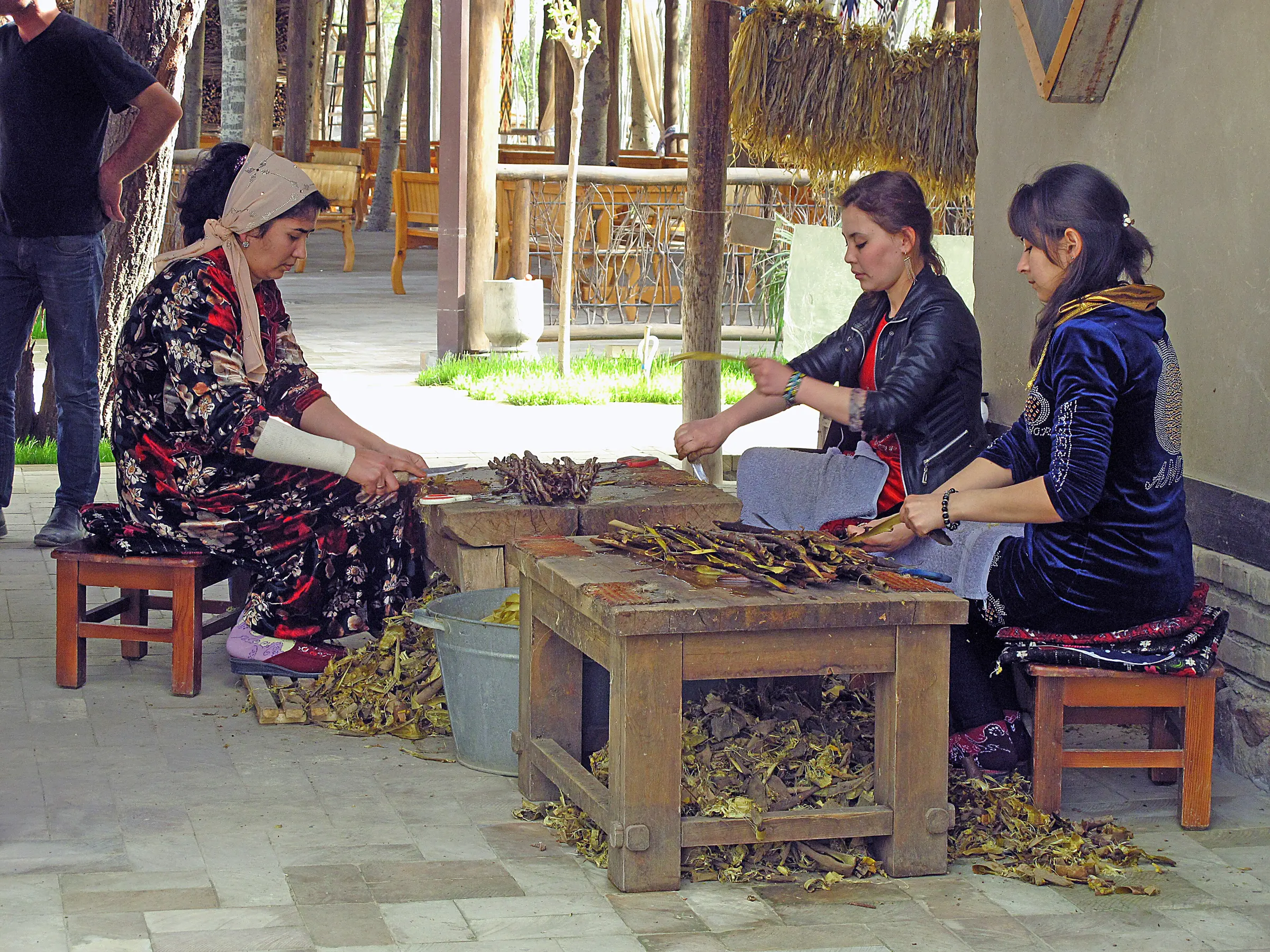
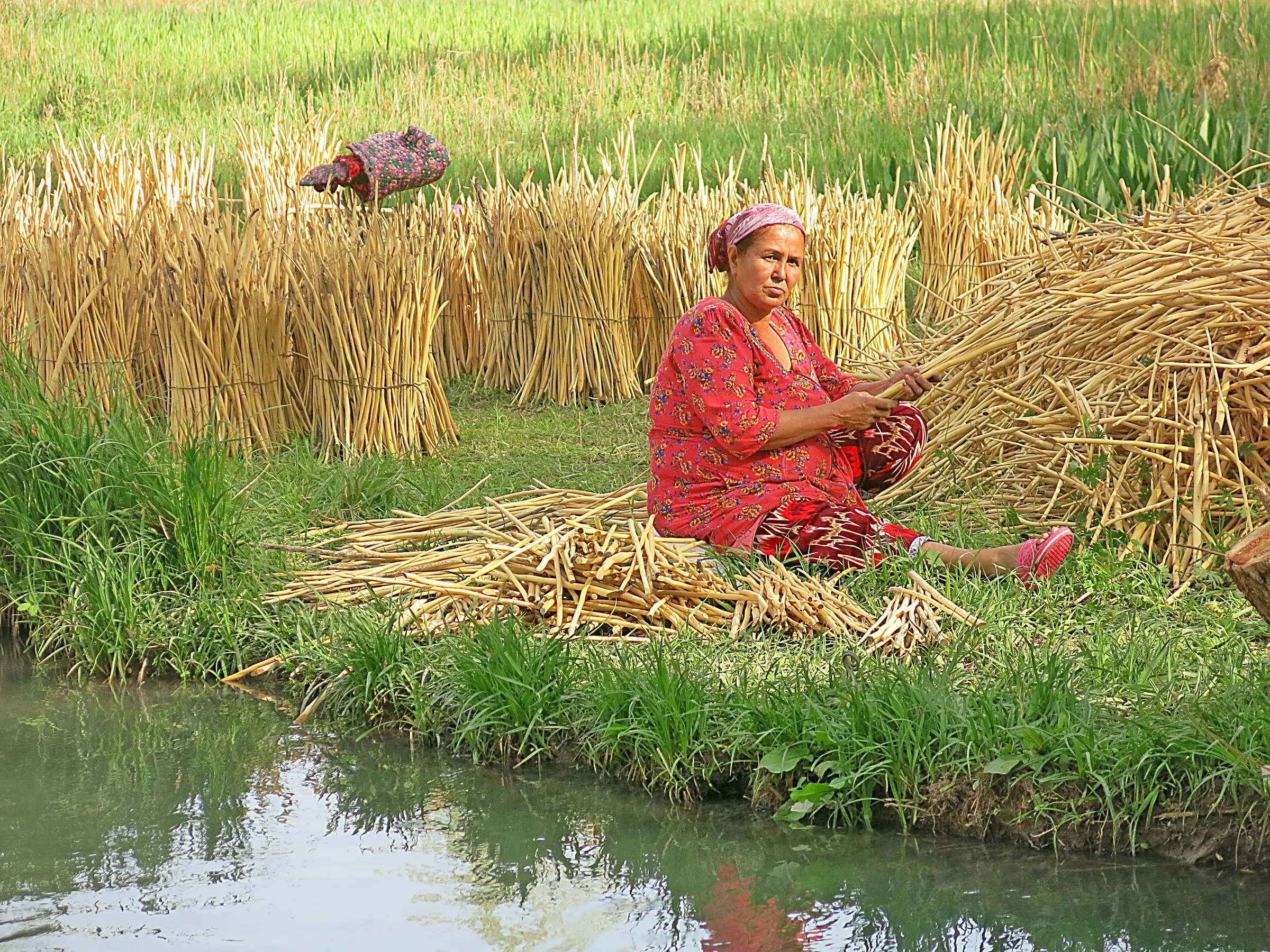
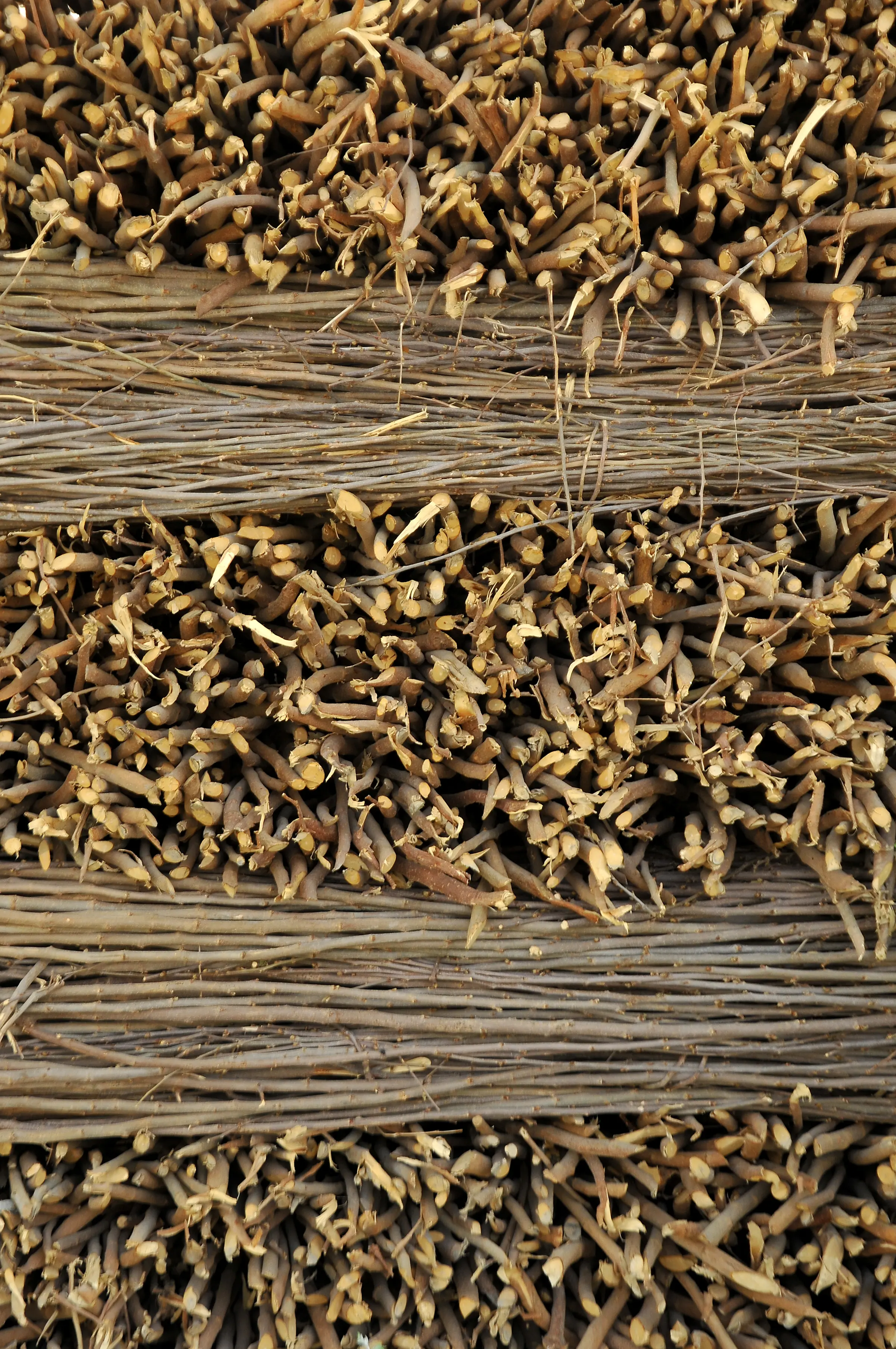
It starts with mulberry shoots. Bark is stripped from young branches, the outer layer is scraped away and the fibrous inner bark is boiled for hours in a large cauldron. The softened fibre is pounded into a dough-like pulp and mixed with water. The papermaker lifts the pulp on a fine sieve, and the thin layer is pressed between cloths and dried. Finally each sheet is burnished on a marble table with a smooth stone or a piece of horn until it gleams.
The result is a slightly yellowish, unbleached and robust paper that takes ink and pigment beautifully. The makers like to say that ordinary white paper lasts a few decades, while Samarkand paper lasts for centuries.
Only one-year-old shoots are used, and natural dyes can be added to the pulp to make coloured sheets. A sheet dries in a few hours in summer but can take up to two days in winter; the trickiest moment, the makers say, is peeling the dry sheet away without tearing it.
Miniaturists and calligraphers value the paper because it takes any ink or pigment evenly, which makes it ideal for faithful copies of historic miniatures.

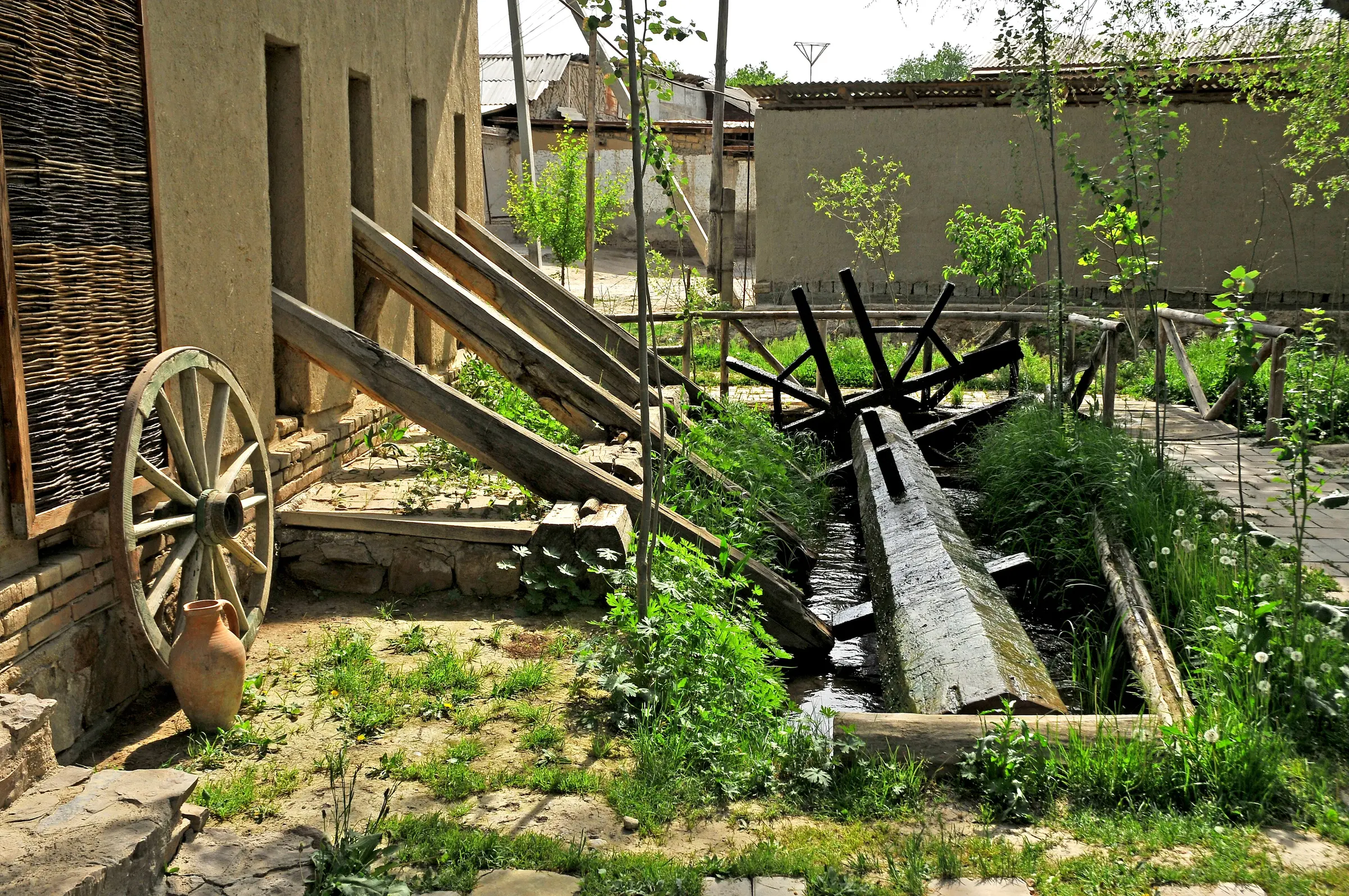
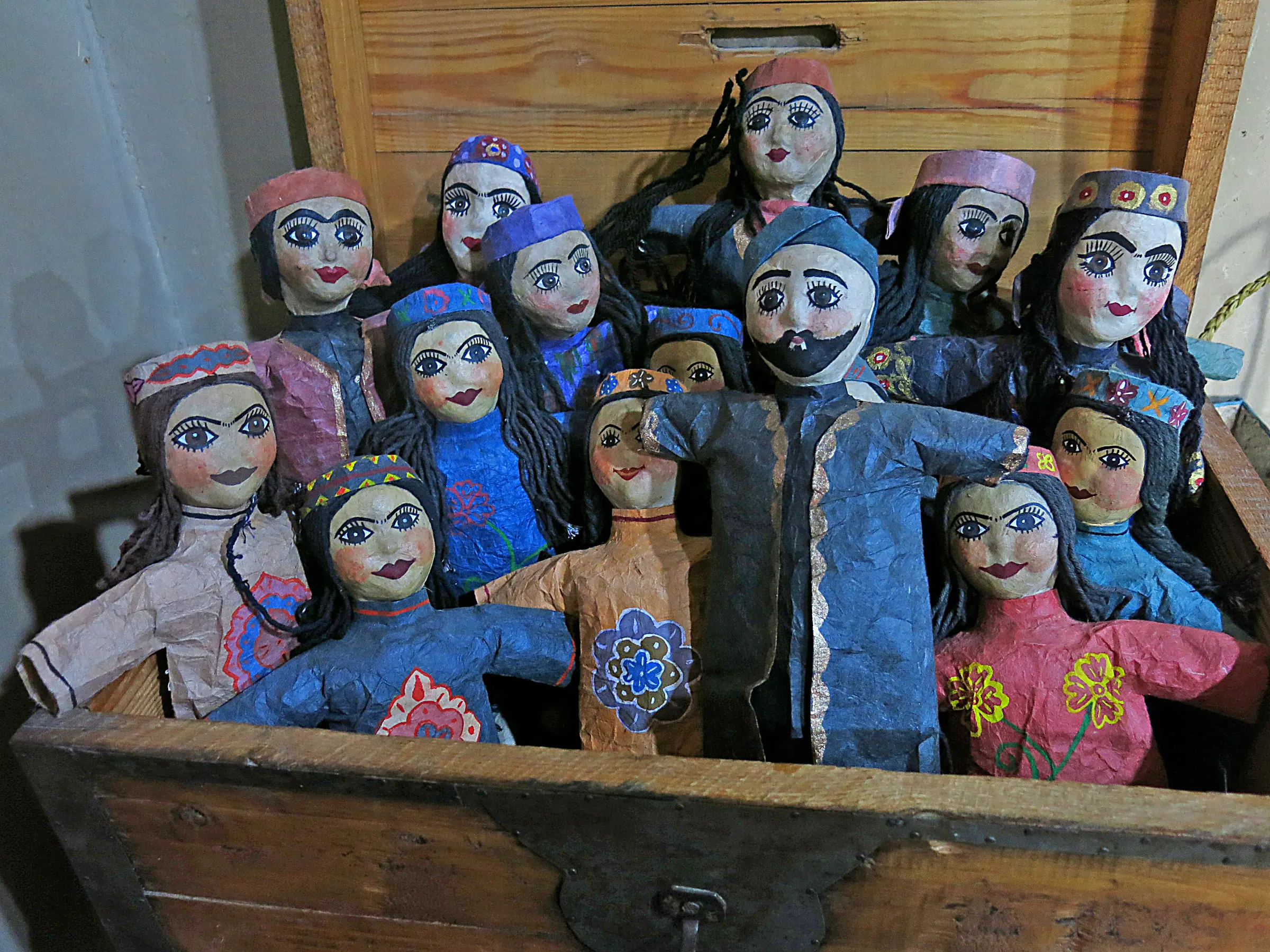
The workshop sits in a shady garden on the banks of the Siab. Visitors can follow every step of production and try forming a sheet themselves. A charkhpalak water wheel hung with old jugs turns in the yard, and a riverside teahouse serves plov and fruit. The shop sells notebooks, postcards, miniatures, masks, dolls and even dresses made of Samarkand paper. There is also a pottery studio, and cooking classes teach plov made with linseed oil.
Konigil was designated a “tourist village” in 2020, with plans for around a hundred visitor facilities. The Silk Road Samarkand complex has risen a couple of kilometres away, so in one day you can see both the ancient craft and the newest Samarkand.

Gallery
Stay & eat
Hotel · ★★★★ · 2.1 km
Hotel · ★★★★ · 2.2 km
Hotel · ★★★★★ · 2.3 km
Hotel · ★★★★ · 2.3 km
Plov centre · 1.8 km
Restaurant · 2.3 km
Restaurant · 2.8 km
Teahouse · 2.9 km


For example: Registan, Ulugh Beg, plov, Urgut


