
Imam al-Maturidi Memorial Complex
A memorial to the 'Imam of Guidance'
This site is in test mode — some information may contain errors.
Report
Resting place of Islam's foremost hadith scholar
Shrine over the grave of Imam al-Bukhari (810–870), compiler of the Sahih. Rebuilt and reopened in March 2026 with a mosque for 10,000 worshippers, four 75-metre minarets and an interactive museum.
Abu Abdullah Muhammad ibn Ismail al-Bukhari was born in Bukhara on 21 July 810. He began memorising hadith as a boy, made the pilgrimage to Mecca at sixteen with his mother and brother, and went on to study with scholars in Mecca, Medina, Baghdad, Basra, Kufa, Syria and Egypt. Tradition says he met a thousand teachers and sifted through hundreds of thousands of reports.
His great work, al-Jami al-Sahih — the Sahih al-Bukhari — was completed around 846. From some 600,000 narrations he kept just 7,563 hadith, counting repetitions, and Sunni Muslims regard the collection as the most authoritative text after the Quran. Late in life the scholar was forced to leave Bukhara and settled in the village of Khartang near Samarkand, where he died on 1 September 870 and was buried in the village graveyard.

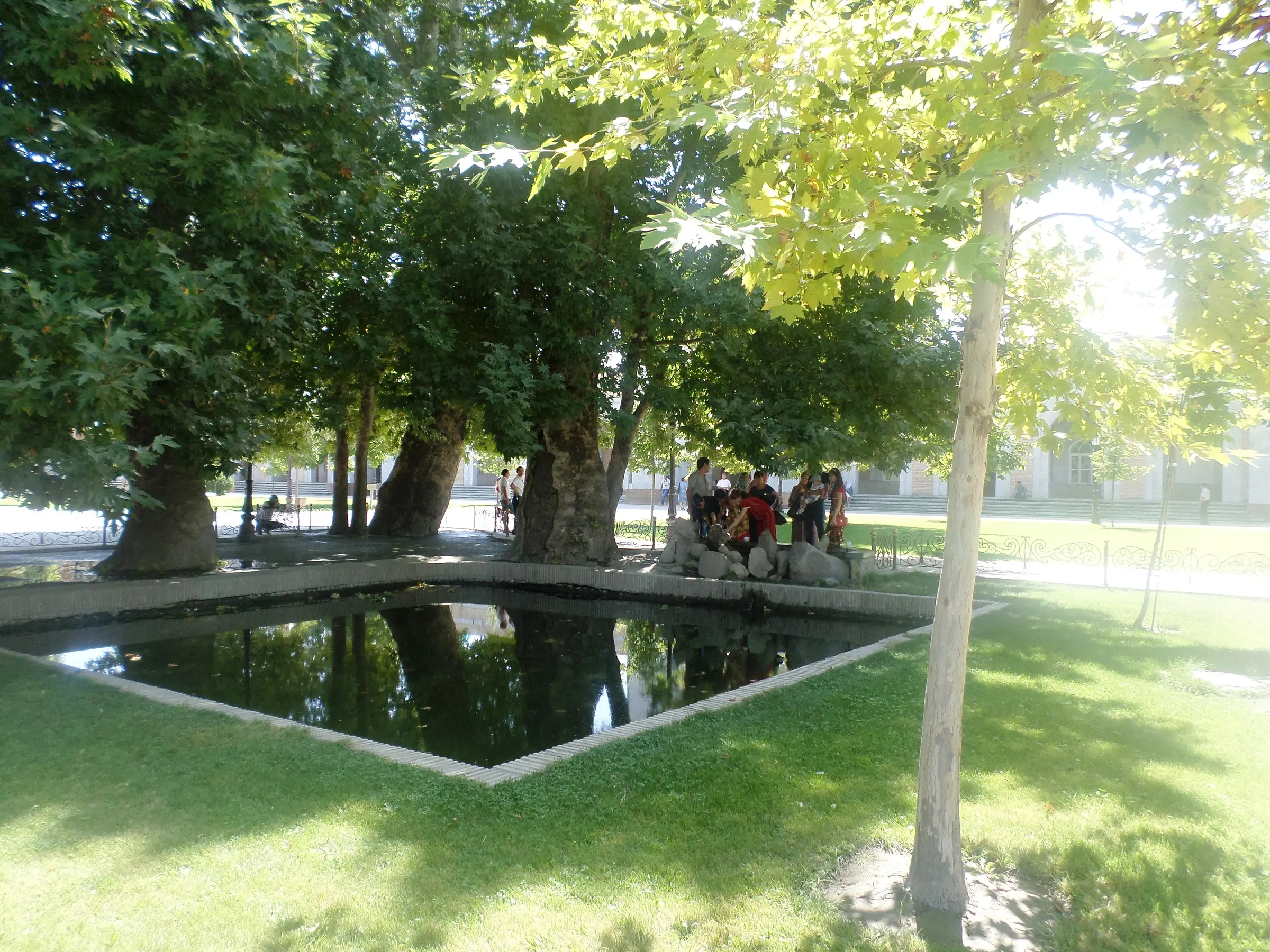
In the 16th century the Shaybanids raised a small mausoleum and a Friday mosque over the grave and planted plane trees around it; some of them still shade the site. Under Soviet rule worship was banned and by the mid-1950s the buildings lay in ruins. A well-known story holds that when Indonesia's President Sukarno visited the USSR in 1961 and asked to pay his respects here, the grave was hastily tidied up; it was later handed to the Spiritual Administration of the Muslims of Central Asia and Kazakhstan.
In 1997–1998, to mark the 1,225th lunar anniversary of al-Bukhari's birth, a new complex rose over the site. Craftsmen from Samarkand, Tashkent, Bukhara, Khiva, Shahrisabz, Andijan, Kokand and Namangan built a 17-metre mausoleum with an onyx cenotaph, a mosque and khanqah for 1,500 people, a library and a museum.
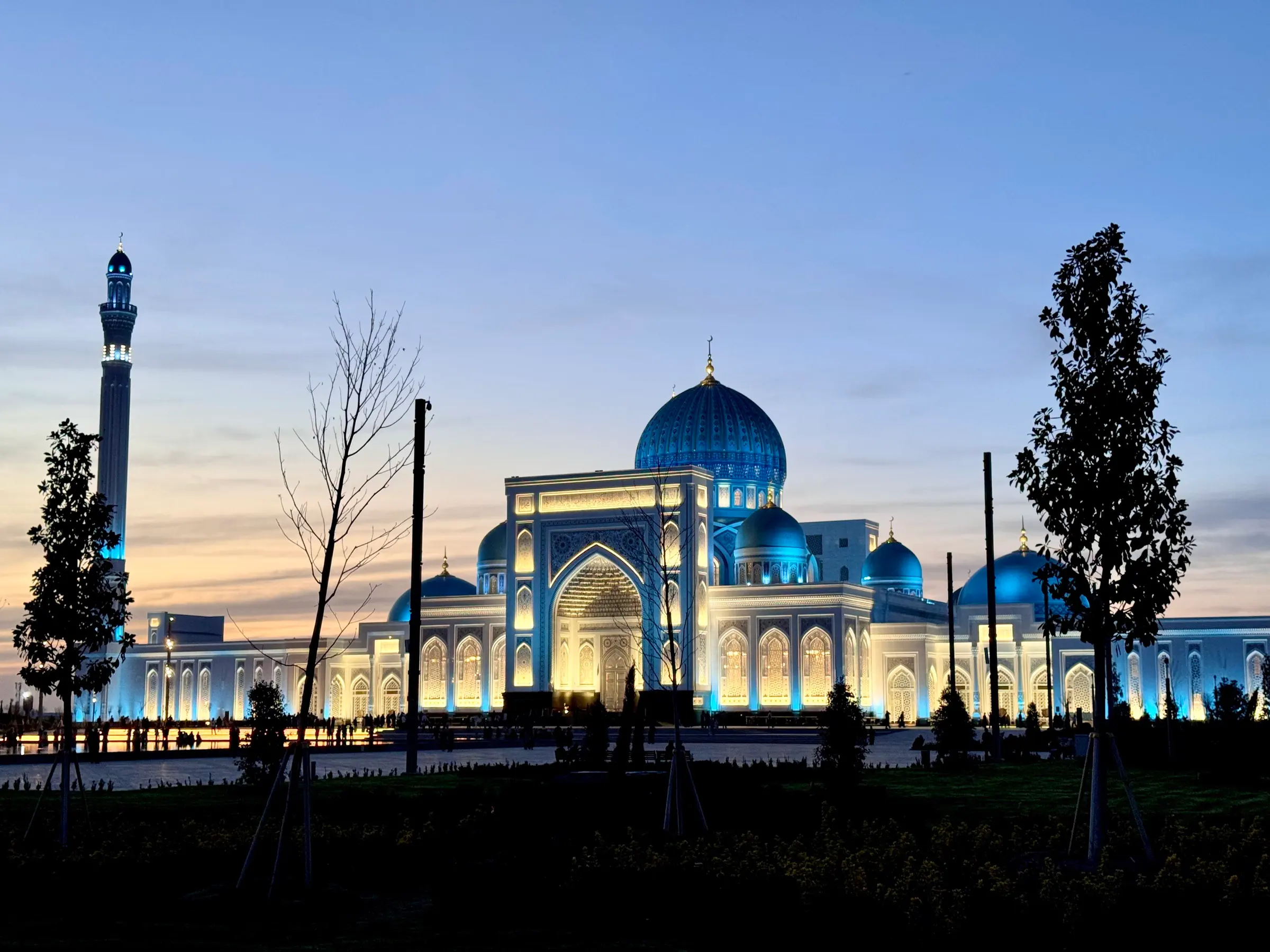
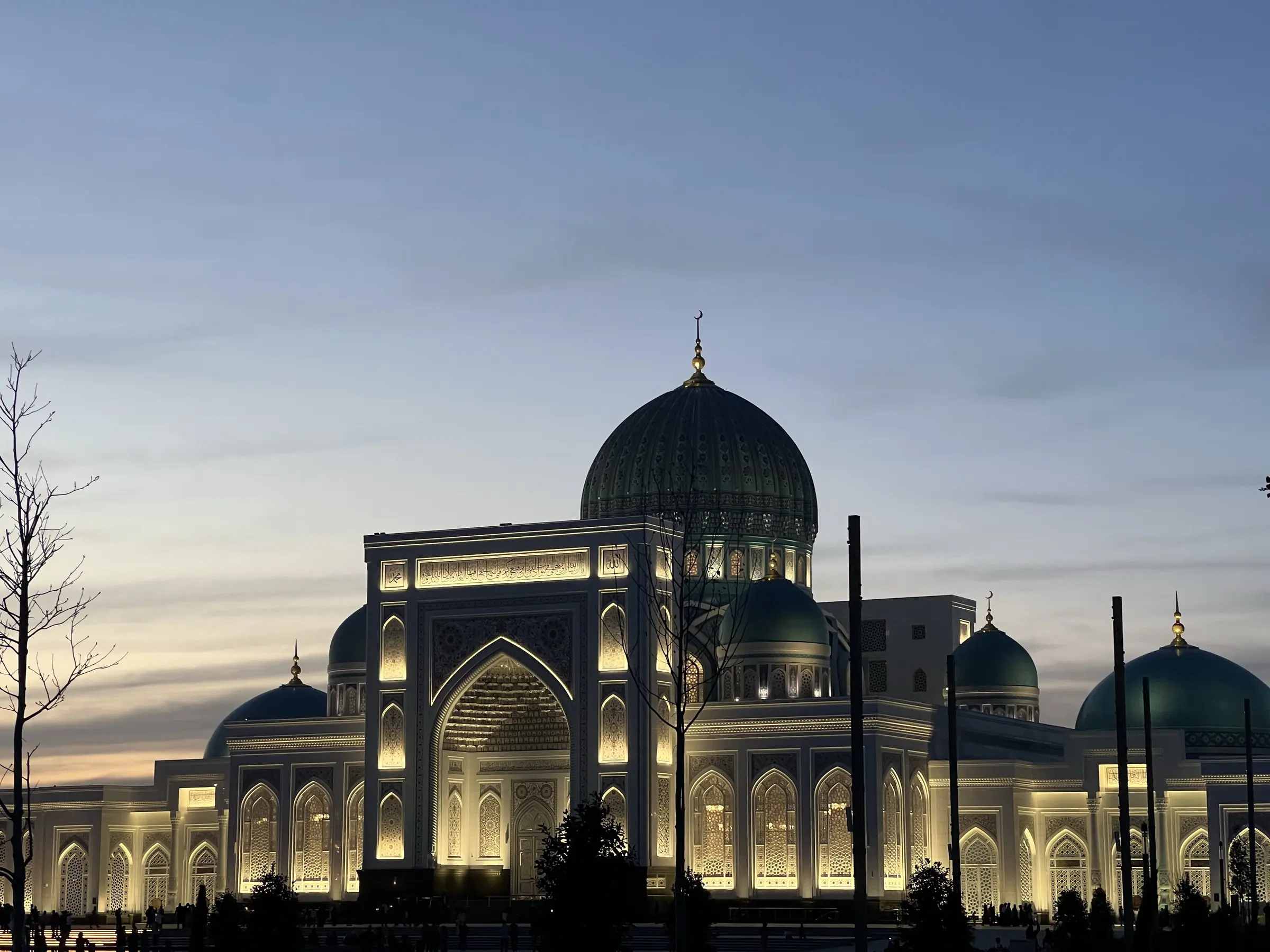
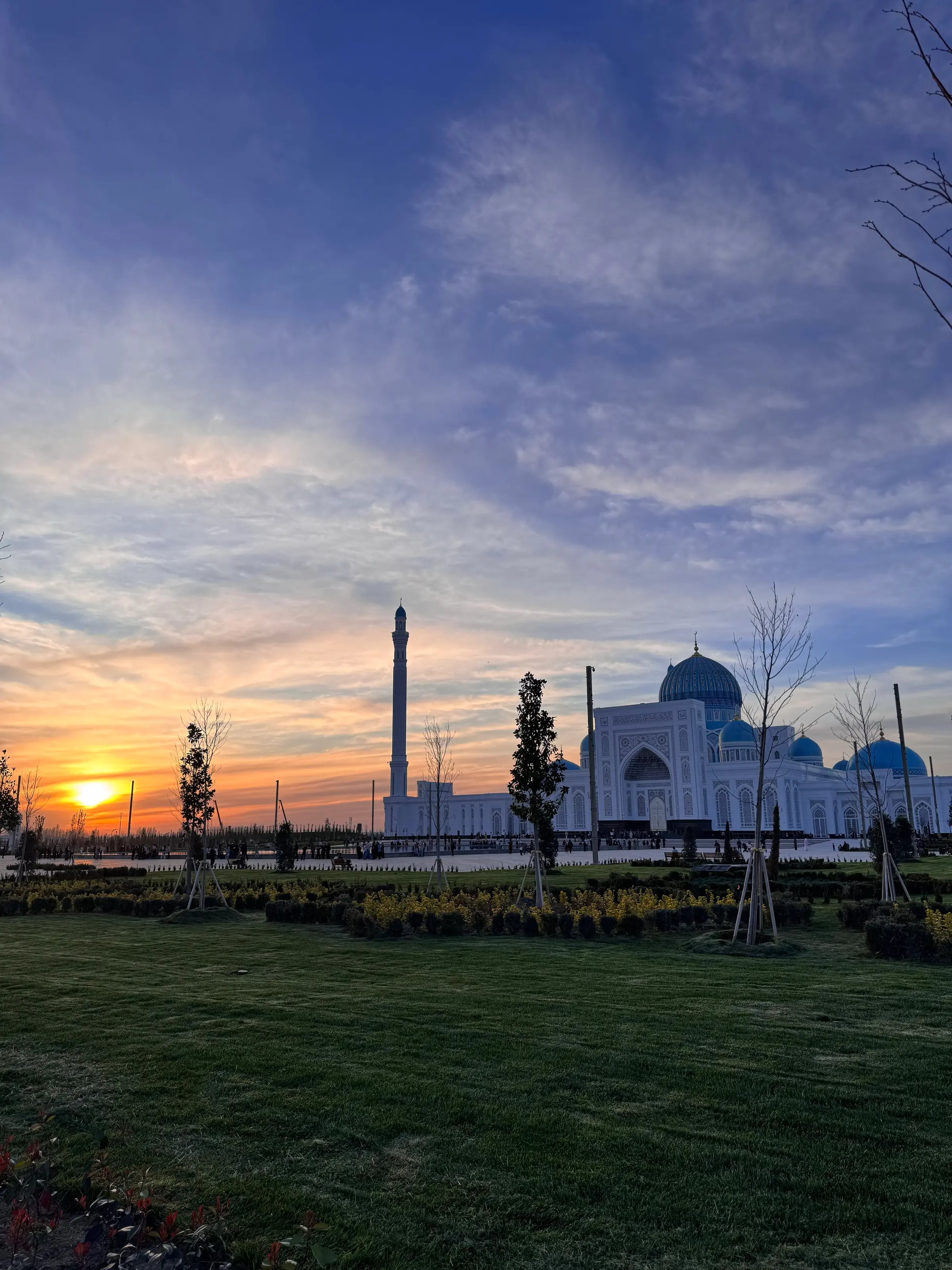
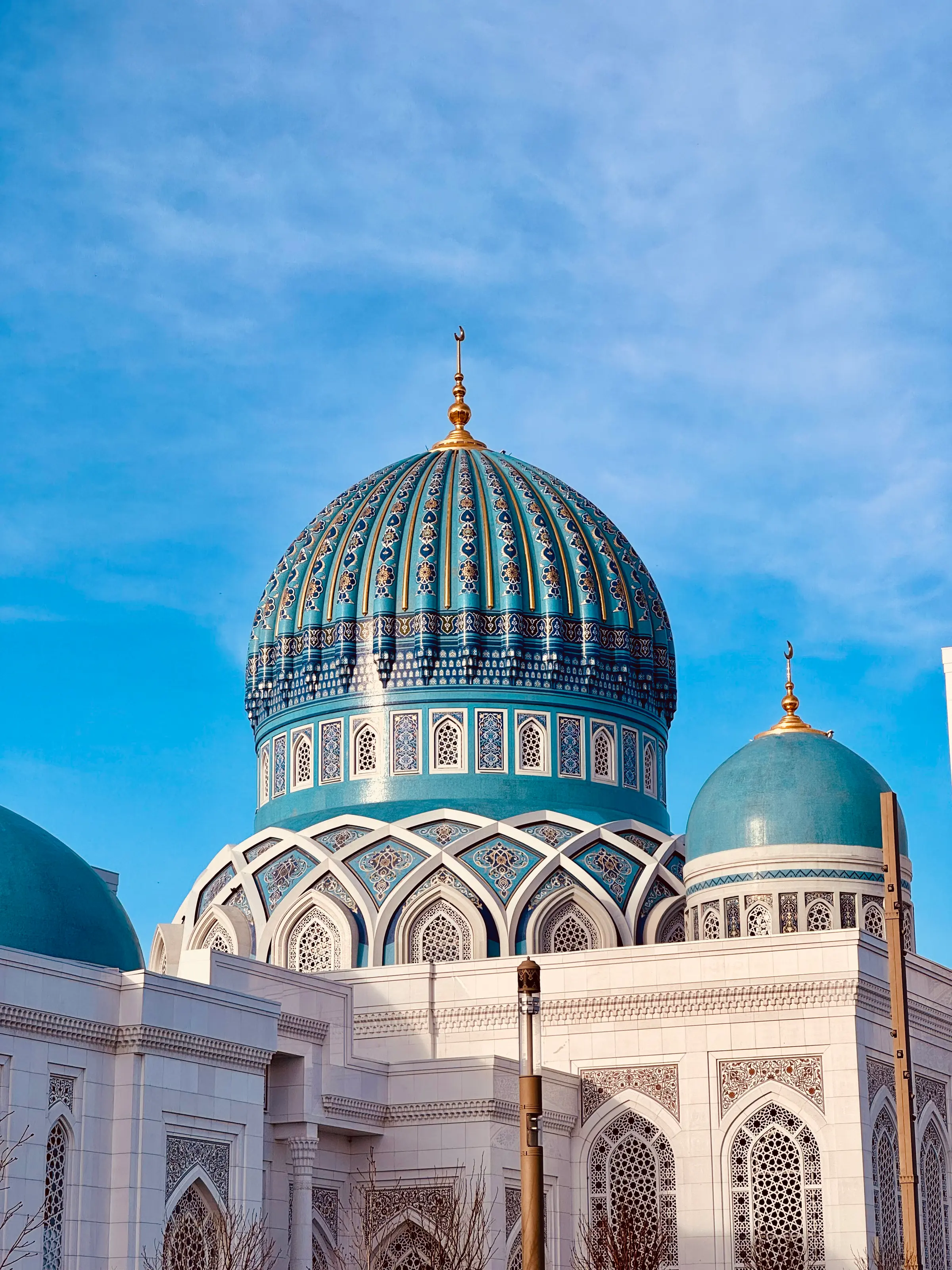
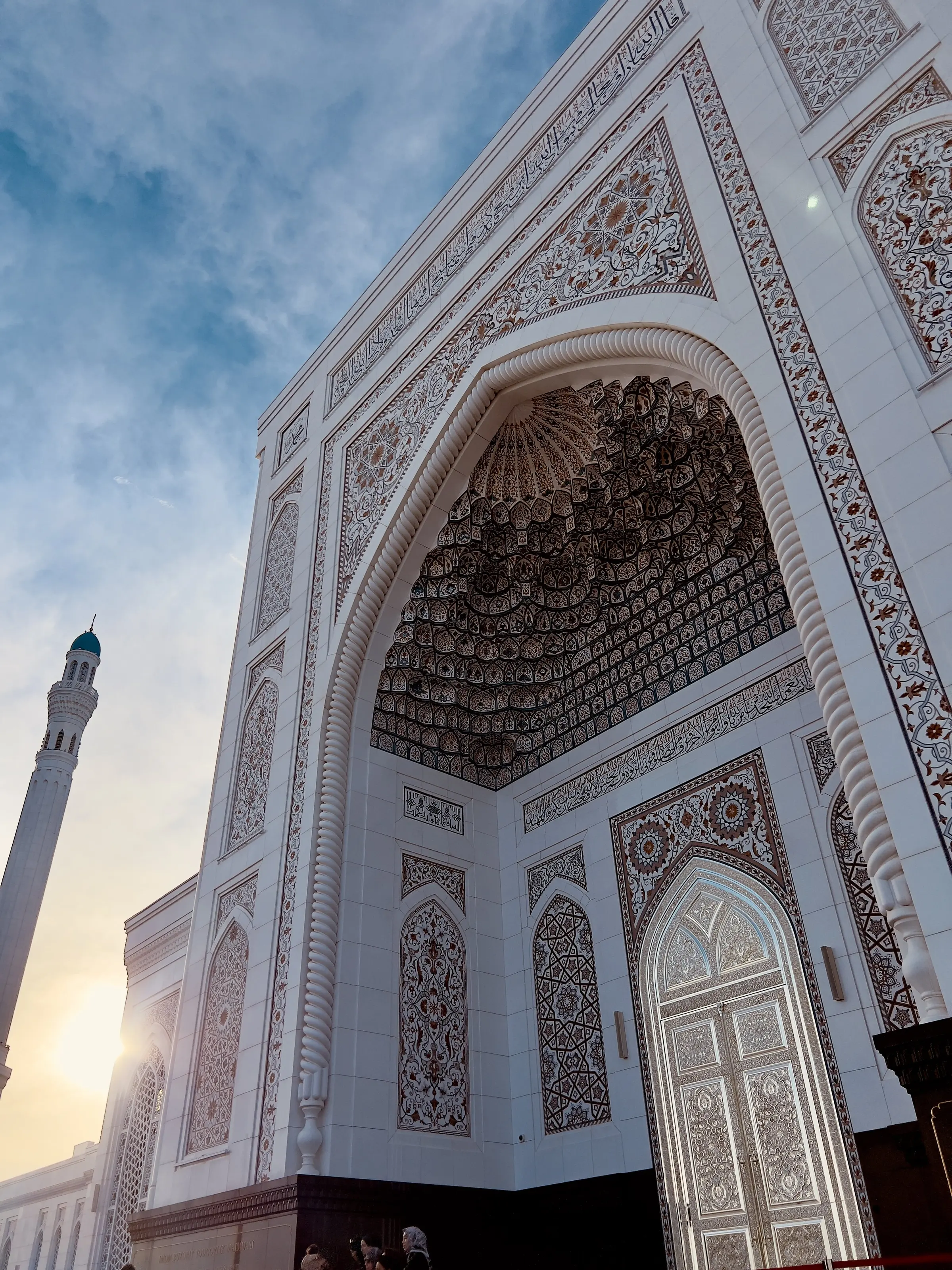
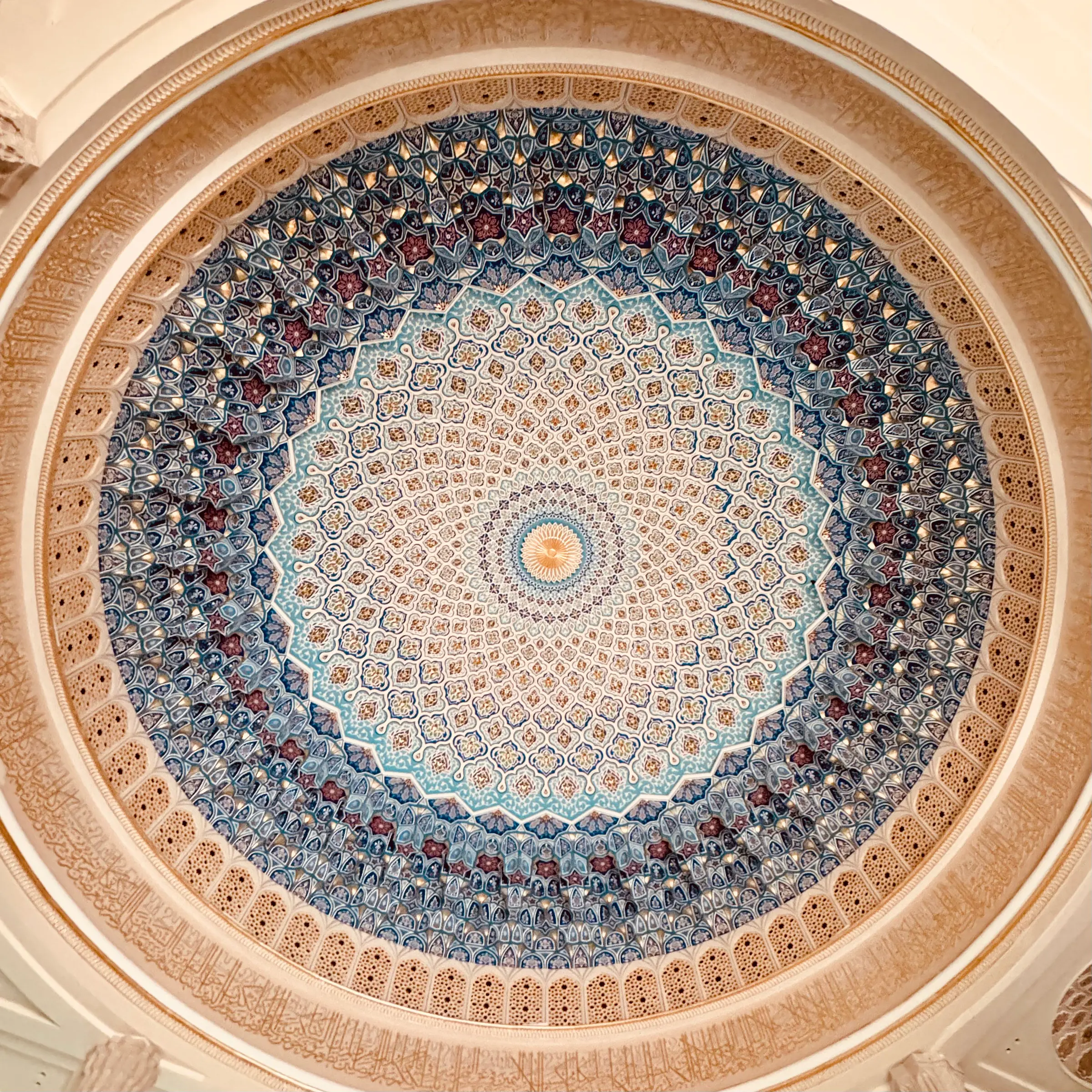
A sweeping reconstruction began in 2019, and the complex reopened on 19 March 2026, now spread over roughly 45 hectares. At its heart stands a vast mosque for 10,000 worshippers crowned by 14 blue domes, with four 75-metre minarets marking the corners. A new mausoleum, a 154-column iwan in traditional style and an administrative building complete the ensemble.
The nine-pavilion innovation museum uses modern technology to tell the story of al-Bukhari's life and legacy, the 25 prophets named in the Quran and the history of hadith collection. Where the shrine once handled about 12,000 pilgrims a day, it can now welcome up to 65,000; a 15-hectare service zone next door holds hotels, 22 family guesthouses and parking.

Most pilgrims begin at the mausoleum, reciting the Quran and a prayer, before praying in the mosque. Attendants keep order: loud talk and photography inside the mausoleum are frowned upon. The shaded iwans and old plane trees in the courtyard make a good place to pause.
Al-Bukhari is revered across Indonesia, Malaysia, Turkey, Pakistan and the Arab world, so expect to meet pilgrim groups from far afield. Allow at least two hours to walk the grounds, see the museum and take it all in without rushing.
Al-Bukhari asked to be buried in a plain, level grave, so the ornate cenotaph in the mausoleum is symbolic; the actual burial lies in a separate crypt beside it. Pilgrims believe the water of the spring among the old plane trees has healing powers.
The complex lies about 25 km north of central Samarkand, in Khoja Ismail (historic Khartang), Payariq District. A taxi takes 30–40 minutes, passing Dahbed in Oqdaryo District on the way.

Details may change — please check before you visit.
Gallery
Related places
A memorial to the 'Imam of Guidance'
Nearby


The fig-garden quarter — Uzbekistan's first tourism mahalla
15.3 km
Stay & eat


For example: Registan, Ulugh Beg, plov, Urgut