

Aman-Kutan
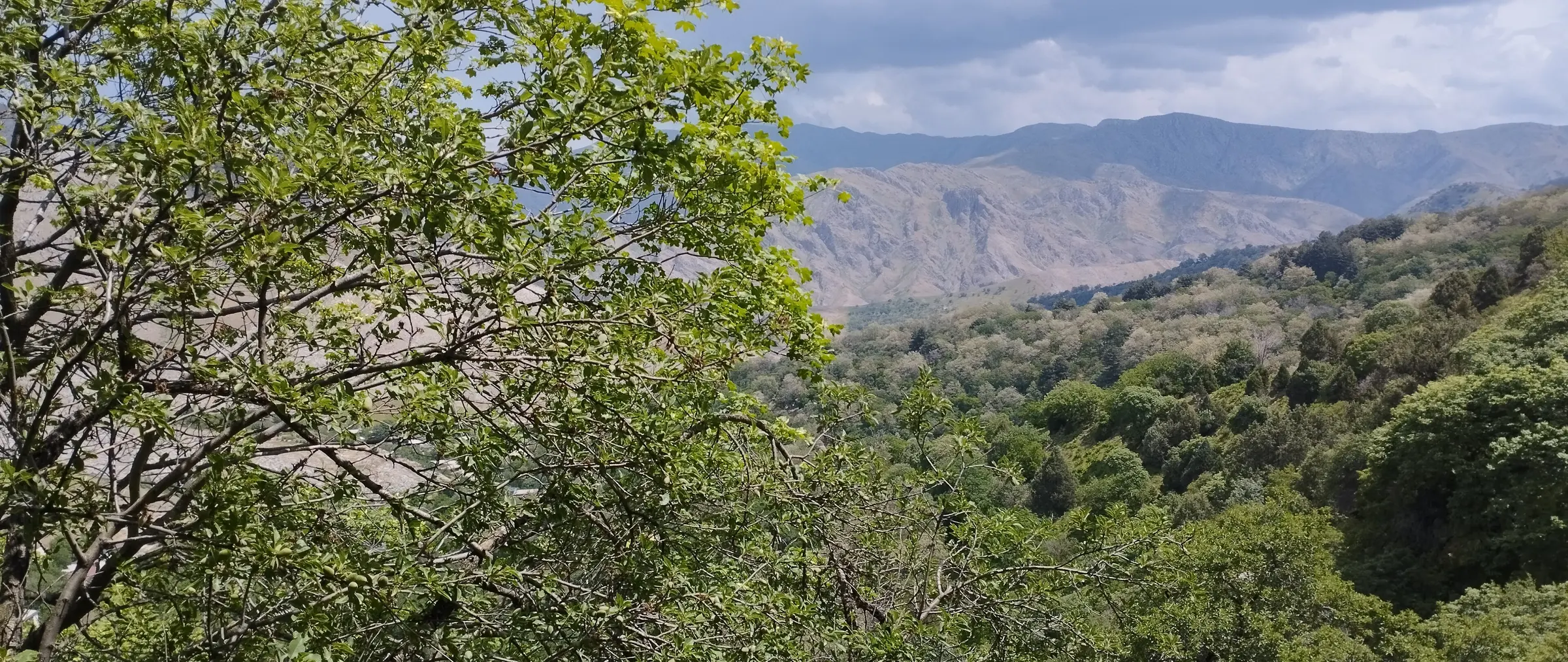
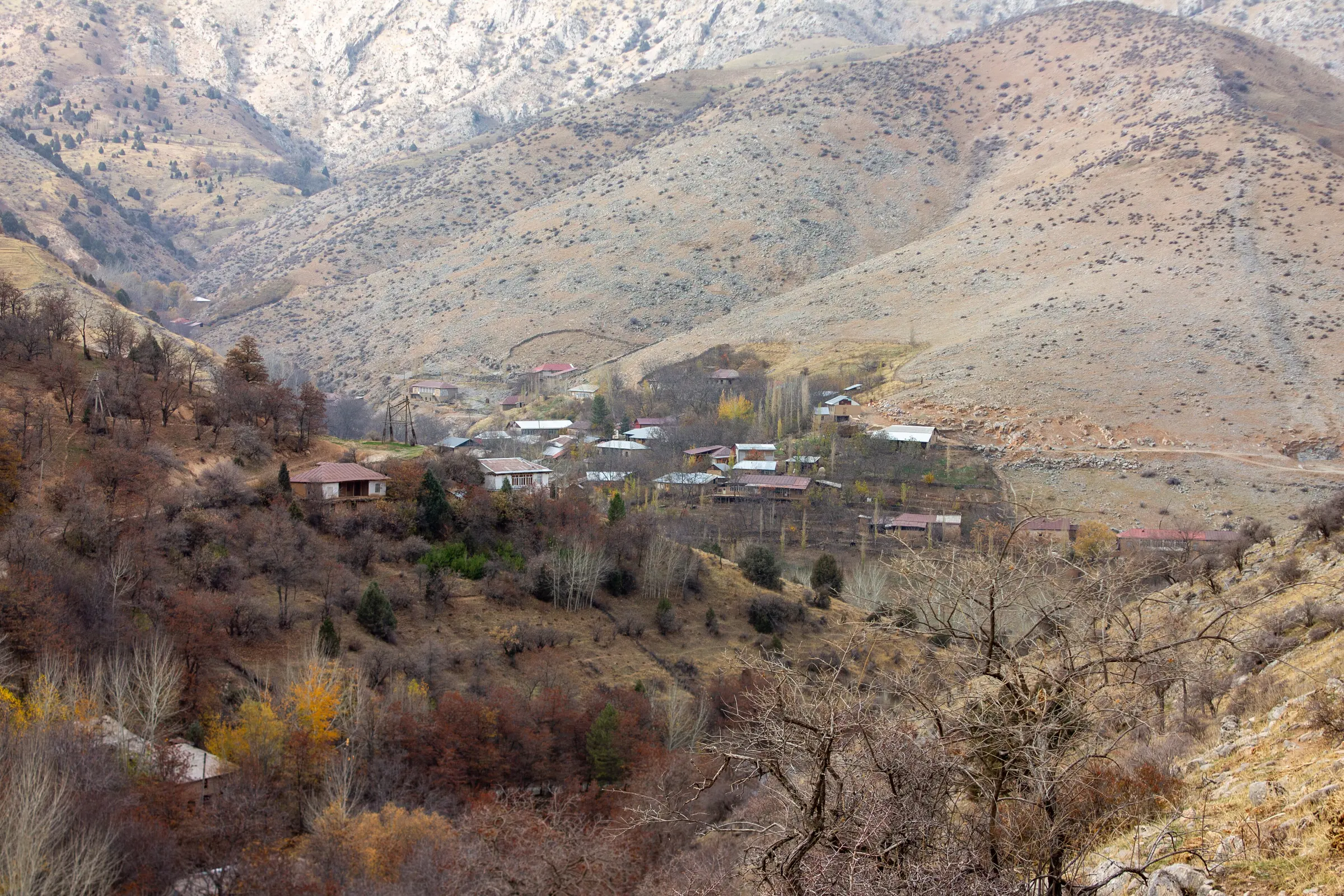
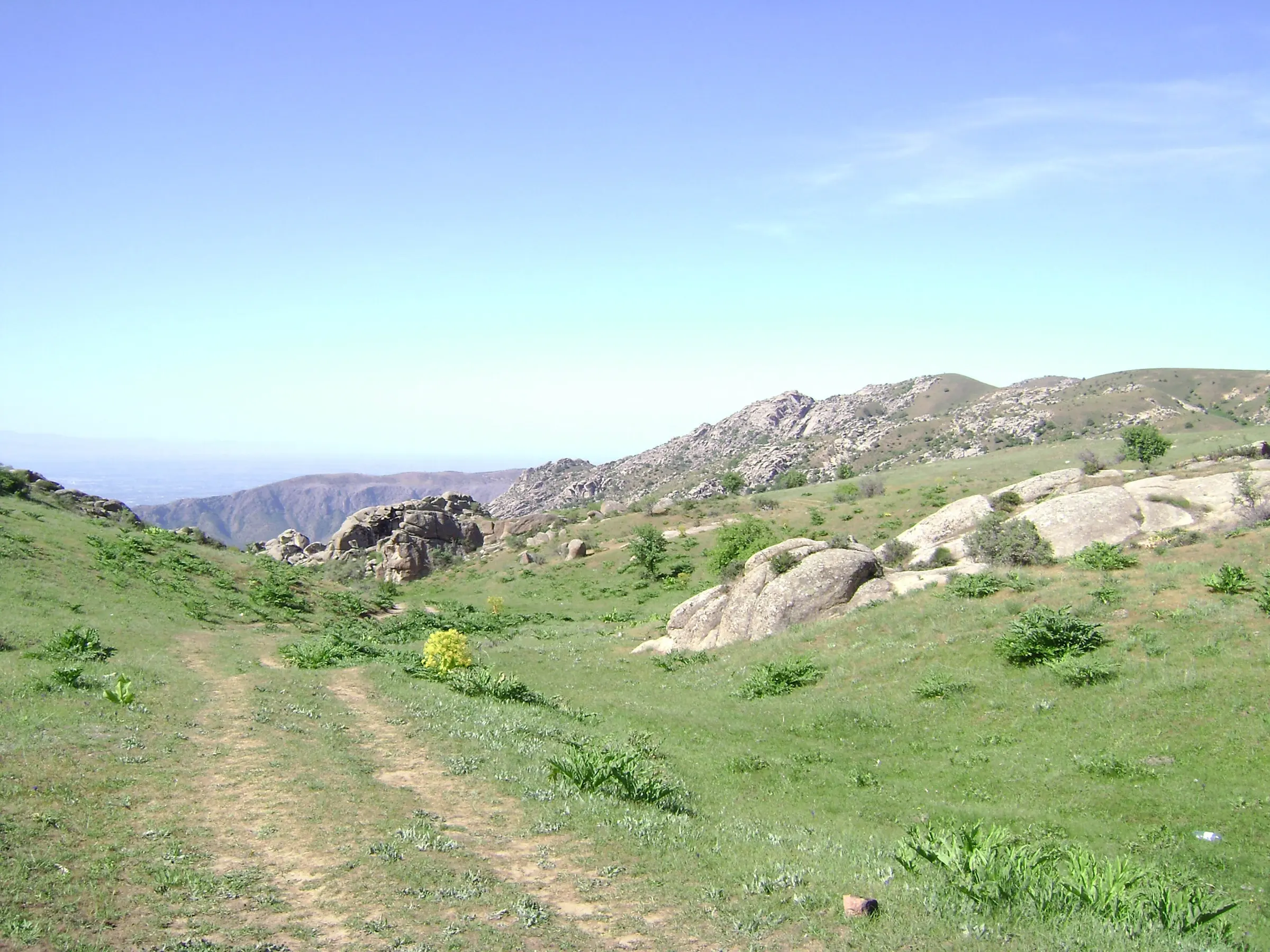
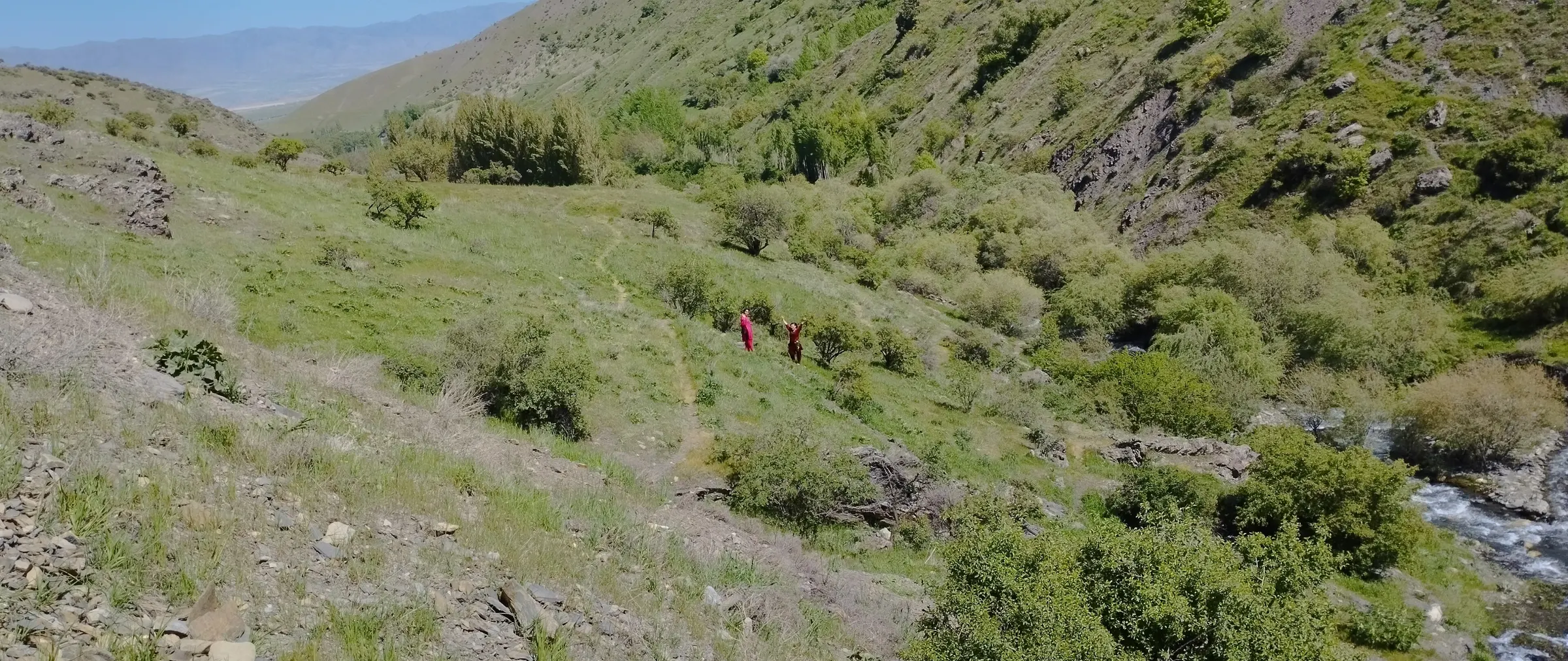
A Stone Age cave in a wooded mountain valley
© Xabibulla Muxamedov, CC BY-SA 4.0
Time needed
4 h
District
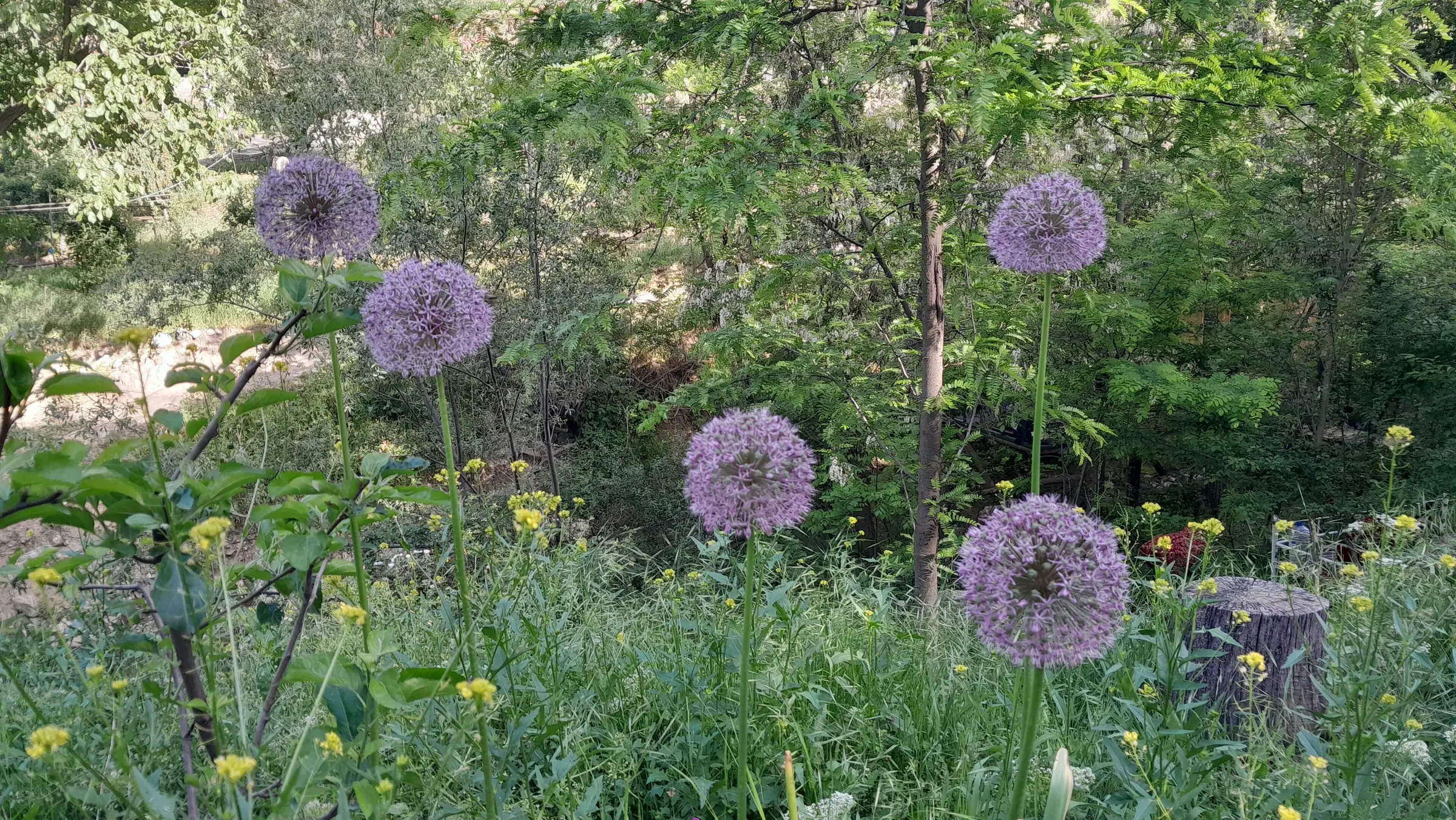
A mountain valley 40 km south of Samarkand with one of Uzbekistan's oldest human sites — a Middle Palaeolithic cave — plus woodland, guesthouses and a national nature park created in 2022.
A Stone Age shelter
Aman-Kutan Cave sits about 2 km east of the village, high on the bank of the Bulbulzarsay gorge at roughly 1,300 metres. Archaeologist D. N. Lev found it in 1947, along with a fragment of a fossil human thighbone, and an expedition from the Uzbek (later Samarkand) State University excavated it between 1947 and 1957.
The natural grotto has a 7.2-metre passage ending in a small chamber. Diggers recovered hearths, 140 tools of quartz, quartzite and flint — points, scrapers and blades — and split, charred bones of wild sheep, red deer, roe deer, brown bear and cave hyena. The finds belong to the Mousterian culture of the Middle Palaeolithic, roughly 100,000 to 40,000 years ago, and alongside Teshik-Tash rank among the oldest evidence of humans in Uzbekistan. Because most of the large-animal bones lay deep inside, Lev concluded that the hunters came here in winter and cooked well back from the cold entrance.

The valley and national park
The 13-km Amankutansay stream rises near the Takhtakaracha Pass and runs northeast, with the M-39 highway following its right bank. Woods around the villages of Aman-Kutan and Kyzylturuk, cool air and springs have made the valley a favourite escape for Samarkand families, and guesthouses and small hotels now line the road.
On 4 March 2022 the 1,500-hectare Omonqoton National Nature Park was created on land of the Urgut forestry enterprise, with 1,000 hectares set aside as a strict reserve and 400 for recreation. In 2026 the government added Aman-Kutan Cave to its list of promising sites for cave tourism.
Getting there
The valley lies on the M-39 Samarkand–Shahrisabz road, about 40 km south of the city — roughly an hour by taxi. Carry on a few kilometres and the road climbs to the Takhtakaracha Pass.

Good to know
- Come in April–May, when the slopes are green and the streams full; in summer the valley is much cooler than the city.
- The path to the cave is unmarked — go with a local guide and wear sturdy shoes.
- Guesthouses fill up at weekends, so book ahead if you plan to stay the night.
- Fires and littering are banned in the nature park — take your rubbish with you.
Gallery
Aman-Kutan
Nearby
Nearby


Stay & eat
Stay & eat nearby
Hotels nearby
See allSpring Family Guest House
Guesthouse · 4.9 km
Ali Guest House
Guesthouse · 5.6 km


