
Bibi-Khanym Mosque
Timur's colossal Friday mosque
This site is in test mode — some information may contain errors.
Report
A family carpet workshop on Hujum Street
A family workshop near Shah-i-Zinda where you can follow a carpet from silk cocoon and plant dyes to the hand-tied knots on the loom.
On Hujum Street, a short walk from Shah-i-Zinda and the Bibi-Khanym Mosque, the Samarkand Bukhara Silk Carpets workshop is often simply called the Hujum carpet factory after its address. It is run by the Badghisi family, who are of Turkmen origin. As the family tells it, they were forced to move to Afghanistan in the Soviet period and returned to Uzbekistan in 1992, the year the workshop was set up as a joint venture to revive Central Asia's fading carpet-weaving tradition. The patriarch, master weaver Haji Mohammad Ewaz Badghisi, sees carpet-making as an inheritance handed down through generations, and his children now carry the business on. More than 450 people work on the various stages, in the workshop and at home.

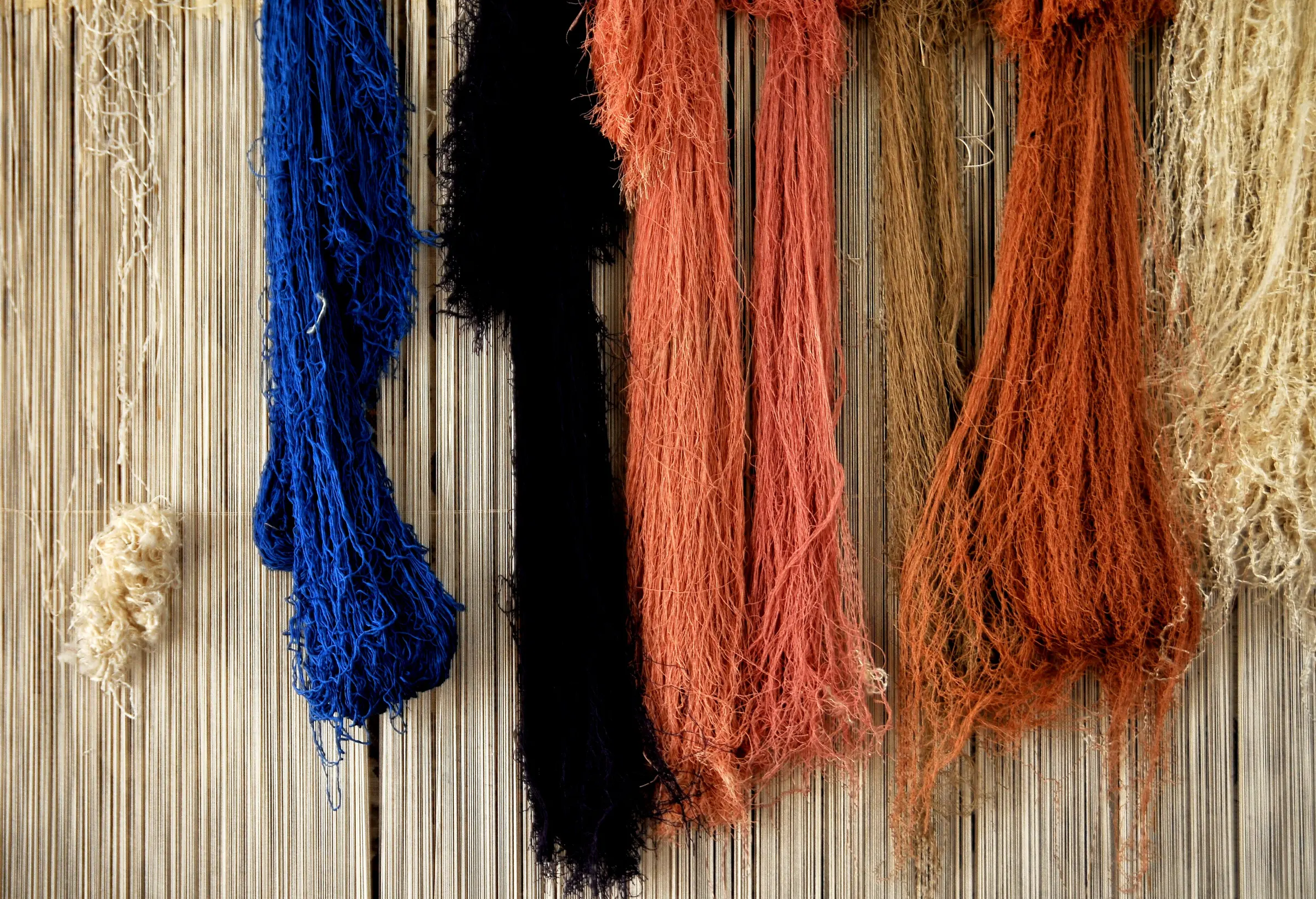
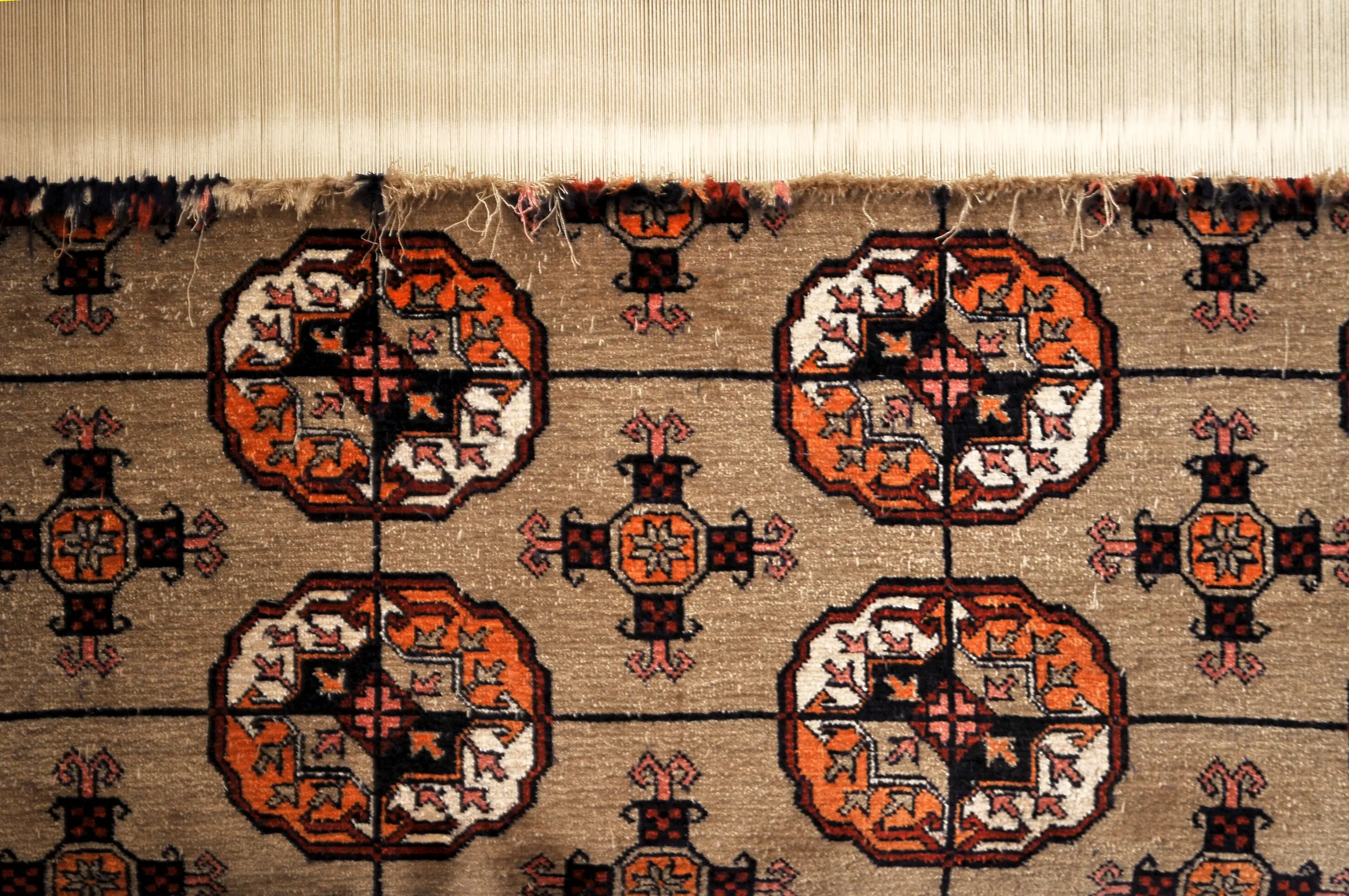
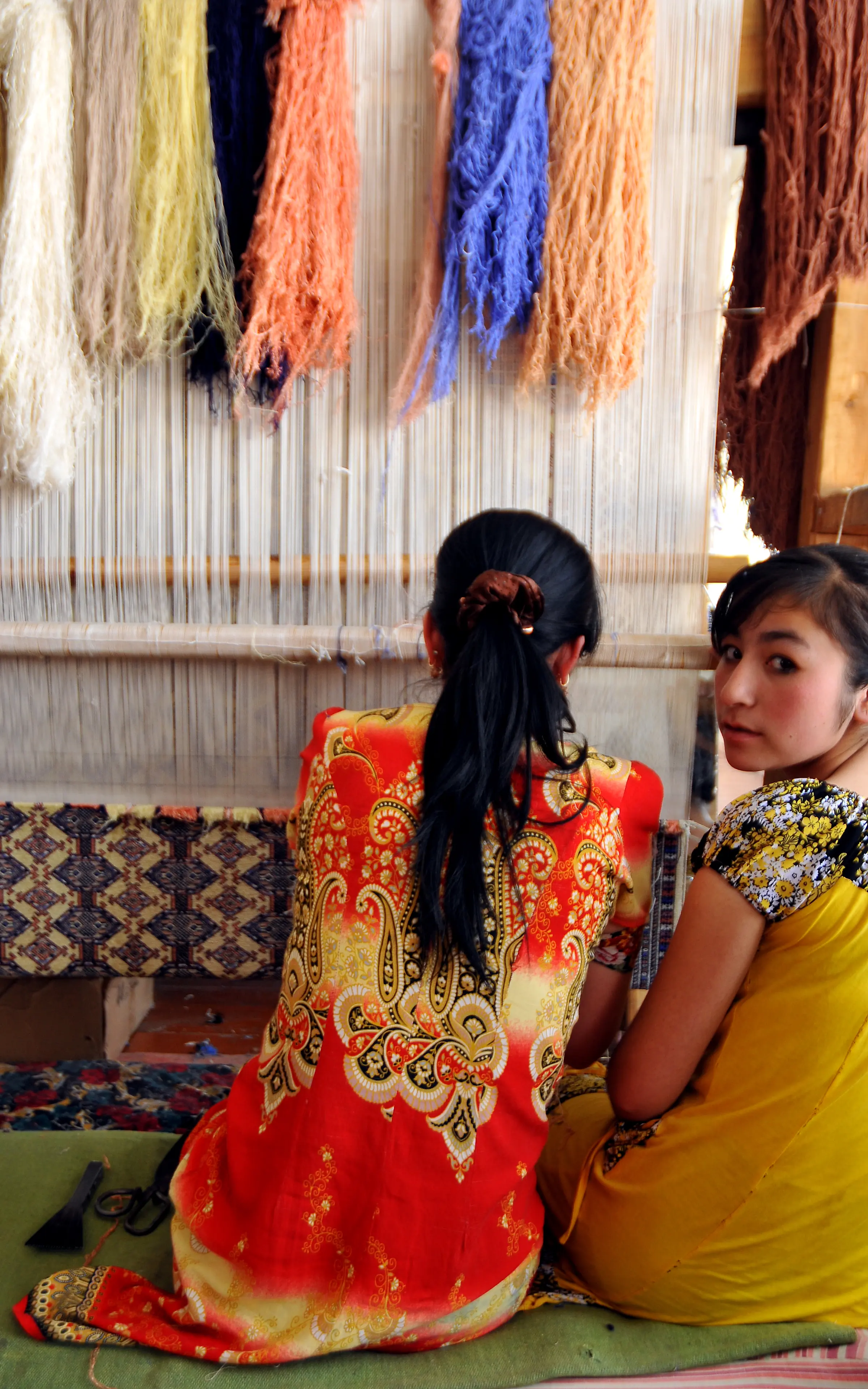
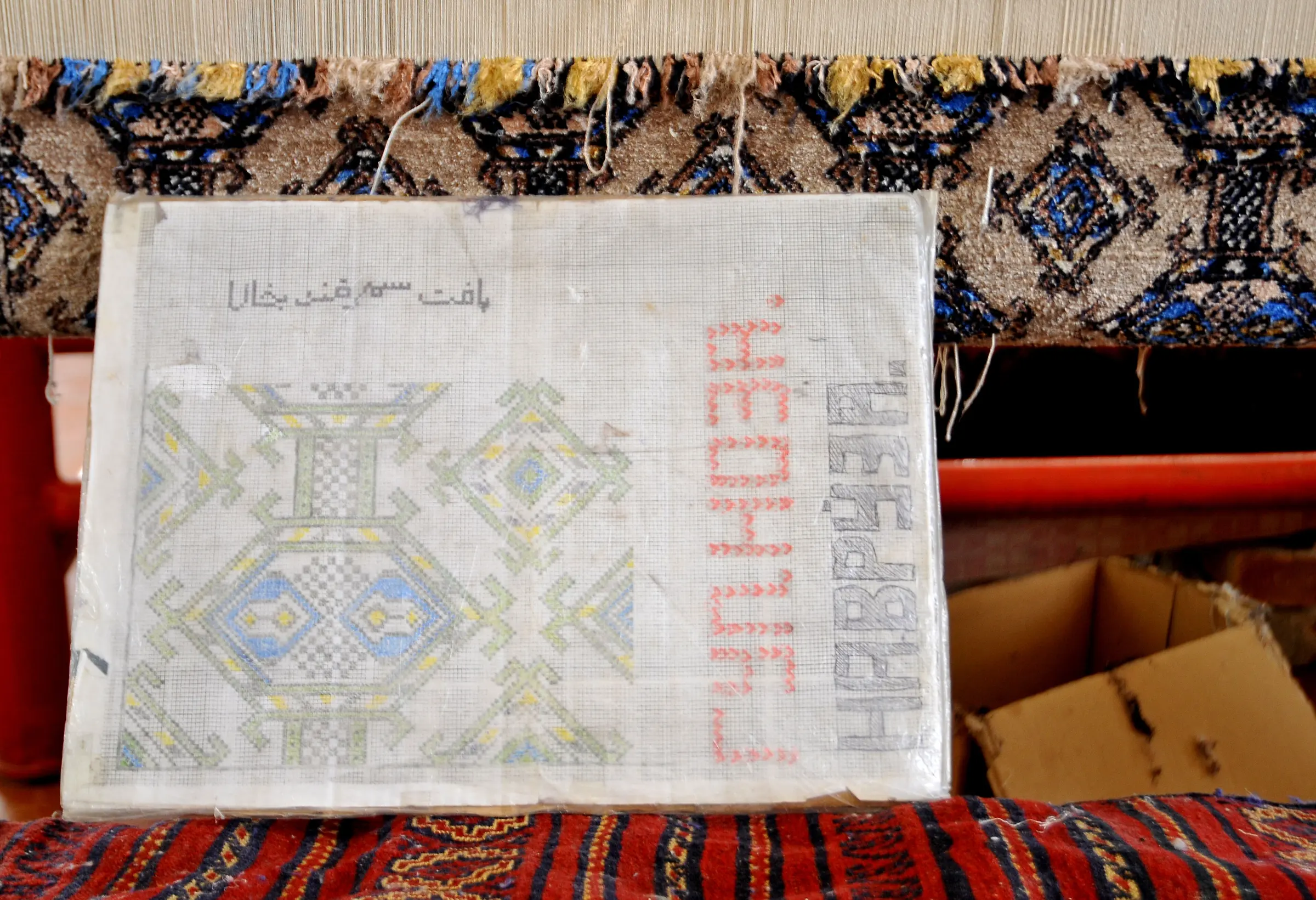
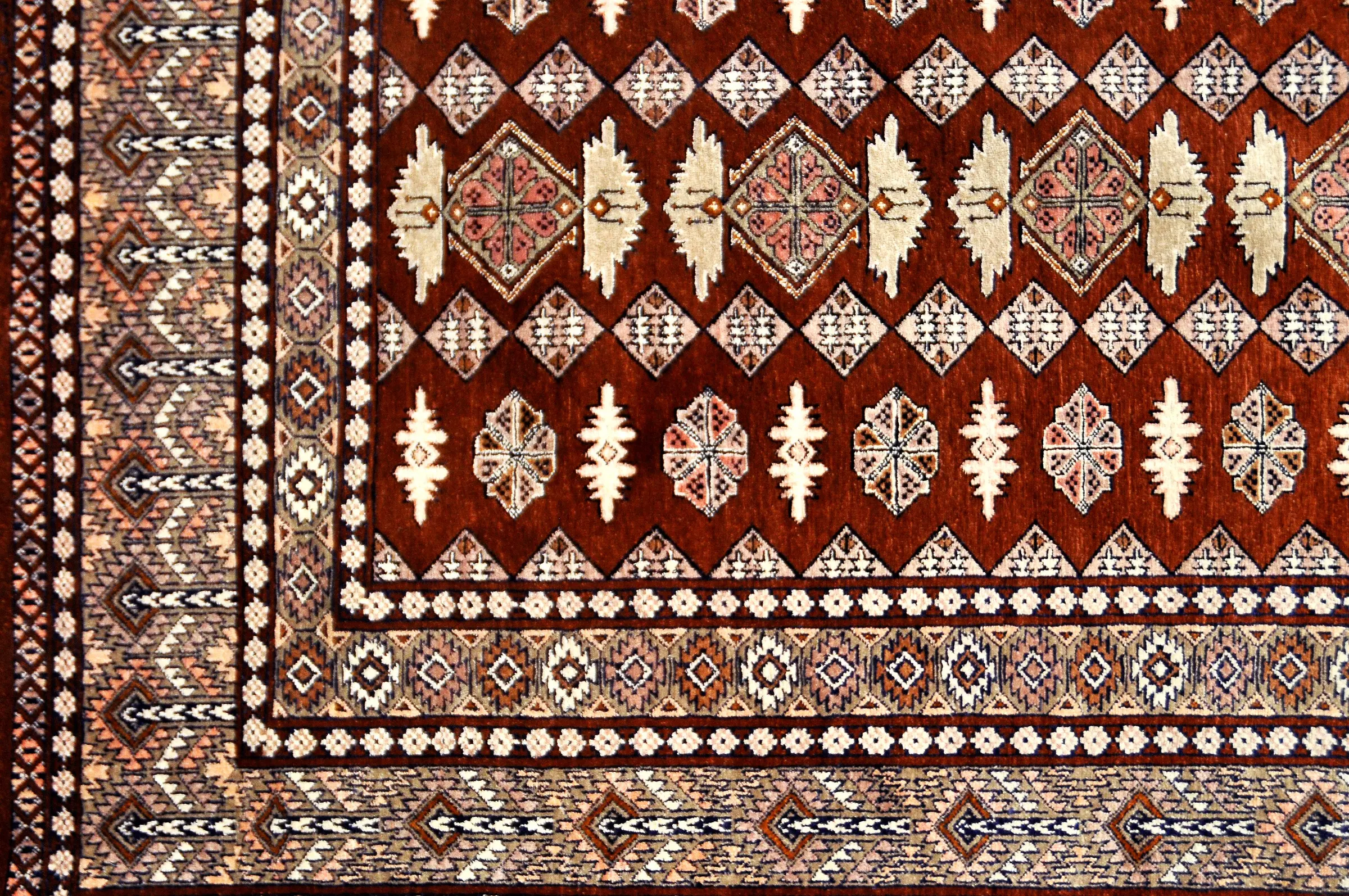
Visitors are shown the whole process: reeling silk from cocoons, spinning, dyeing the yarn with natural colours and weaving. Colours come from natural sources such as madder root, pomegranate rind, indigo, isparak flowers, walnut husks and onion skins, so every batch of yarn has its own subtle tone, and a single carpet takes months to weave. Upstairs, in a large, bright hall, women weavers work at big vertical looms, tying every knot by hand; the designs draw on traditional Bukharan, Turkmen and Caucasian compositions. Some are pure Samarkand, such as carpets that reproduce the painted dome of Gur-e-Amir or the patterns of the Tilya-Kori Madrasa.
The tour ends in a showroom piled with silk and wool carpets, kilims and suzanis. The owners stress that there is no obligation to buy: you are welcome simply to see the craft and talk to the weavers. Small rugs, scarves and suzanis also make good souvenirs.

The weavers will explain the language of colour too: red, dominant in Turkic carpets, stands for wealth, joy and happiness, green for paradise and blue for grandeur, while yellow was believed to ward off evil.
Gallery
Related places
Timur's colossal Friday mosque

Samarkand's biggest and oldest market
Nearby


Stay & eat
Hostel · 450 m

Hotel · 500 m
Hostel · 750 m
Guesthouse · 850 m
Plov centre · 650 m
Café · 1.1 km

Restaurant · 1.1 km
Teahouse · 1.1 km


For example: Registan, Ulugh Beg, plov, Urgut