
Siyob Bazaar
Samarkand's biggest and oldest market
This site is in test mode — some information may contain errors.
Report
A Bukharan Jewish synagogue that never closed
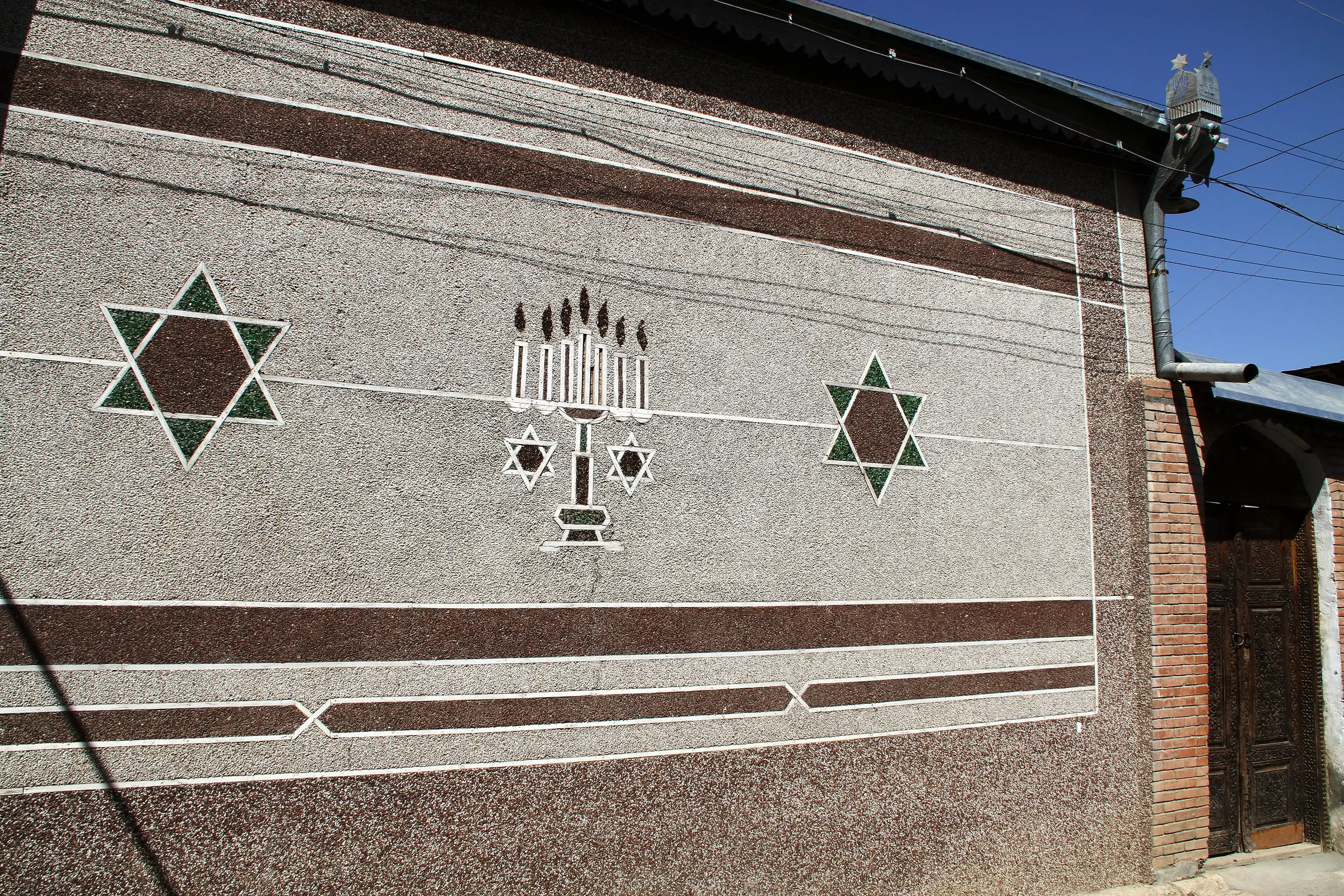
A synagogue of 1885–1891 at the heart of the historic Jewish quarter, one of two still active in Samarkand, facing a bathhouse that has been running for more than a century.
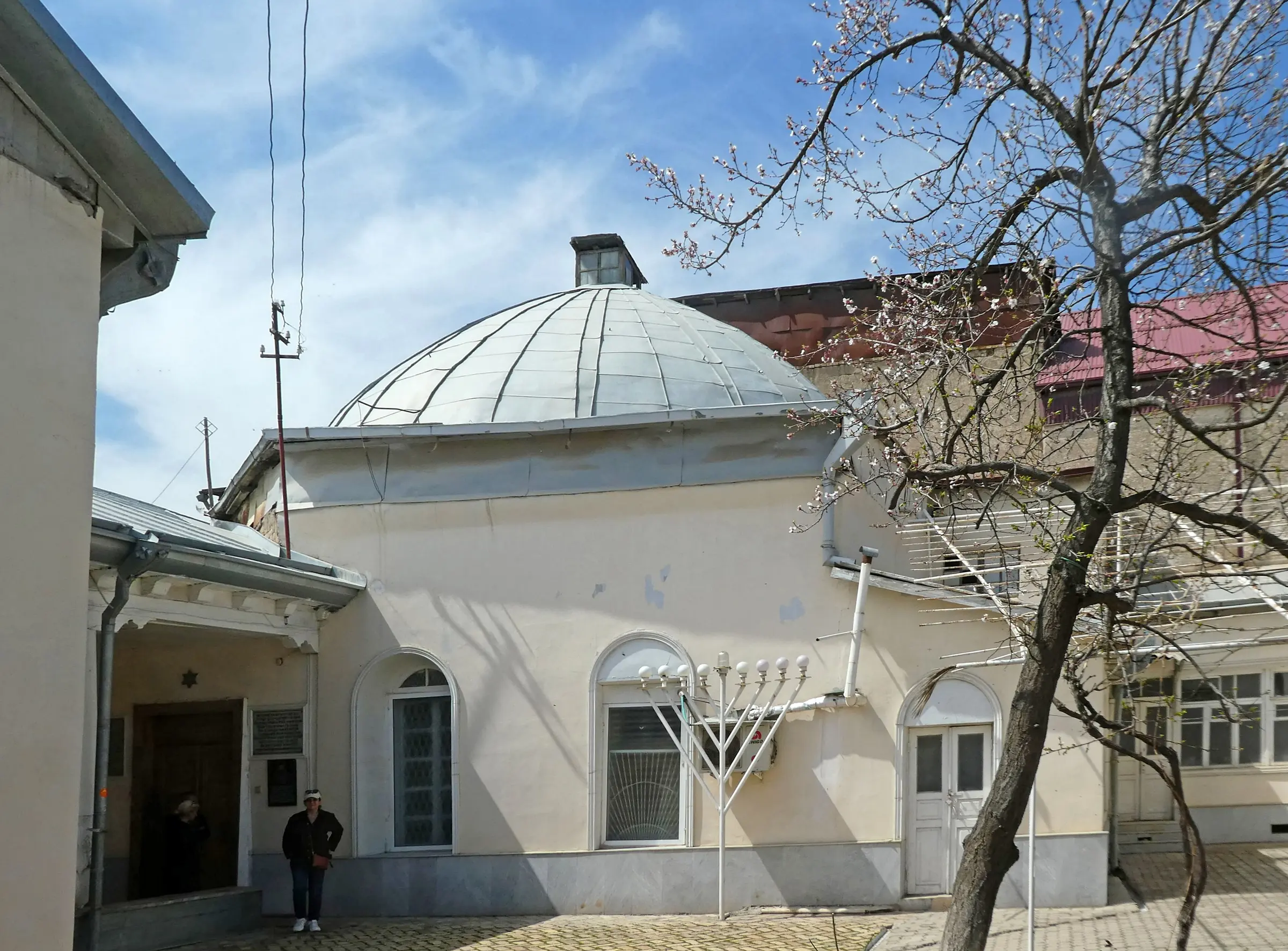
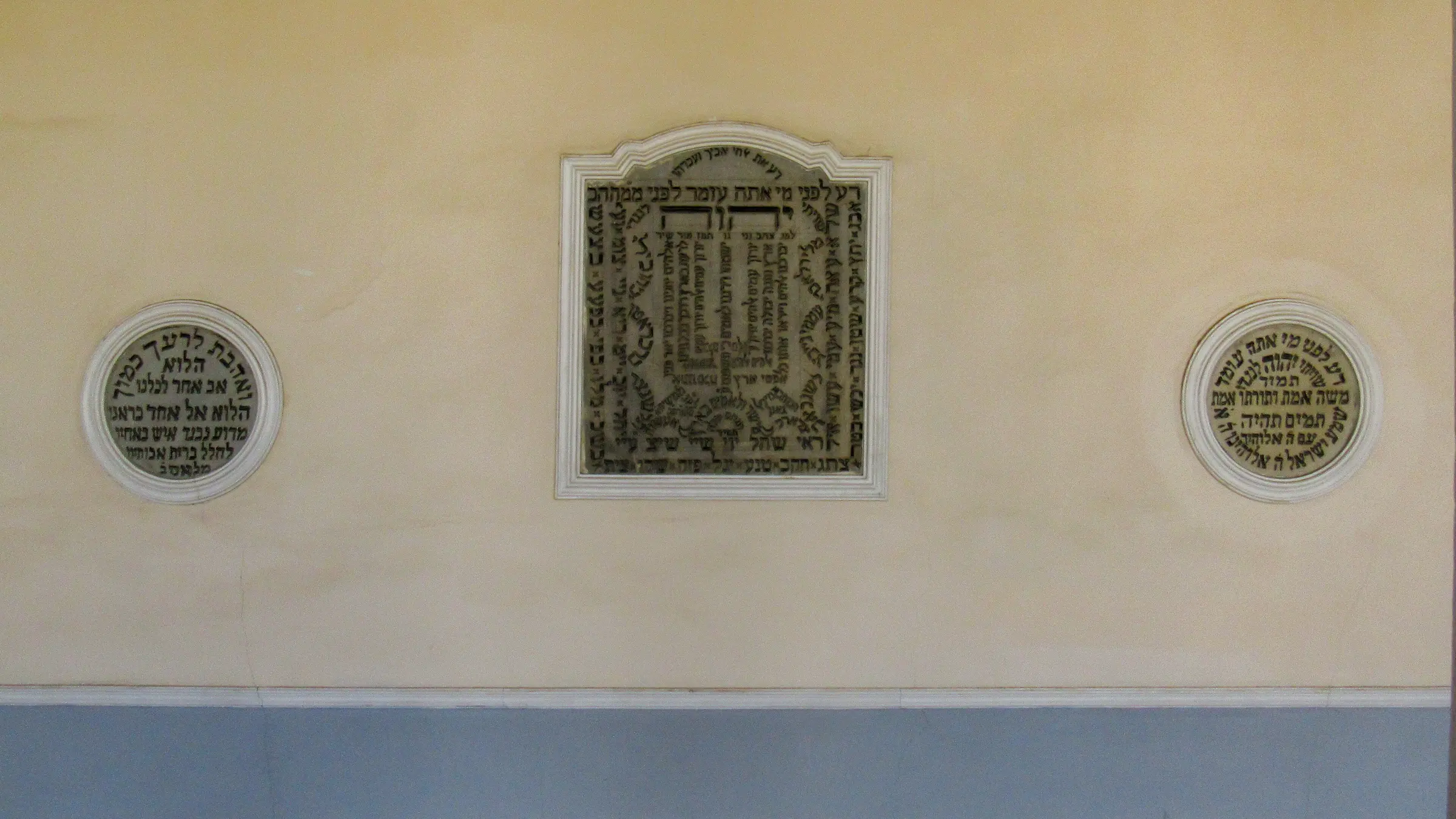
Kanesoi Gumbaz is one of the two working synagogues of Samarkand's Bukharan Jews. Building began in 1885 and finished in 1891. A Hebrew inscription records that it was raised at the wish and expense of the community's head, the kalontar Rabbi Rafael ben Moshe Nosi Kalontar, in memory of his wife Sporo, and that the work was directed by David, son of Avrom Hamomi. According to his grandchildren, Rafael never got to pray here: he died of cholera that same year.
The name comes from the Persian and Tajik word gumbaz, 'dome' – like the Jewish bathhouse next door, the building is roofed with domes. Prayer halls and service rooms are arranged around a walled courtyard.

In the late 19th century Samarkand had around 30 synagogues, and Kanesoi Gumbaz is one that never shut its doors. During the Second World War it sheltered Jews evacuated from the European part of the USSR. In Soviet times its activities were tightly controlled; after Uzbekistan's independence it returned to full religious life.
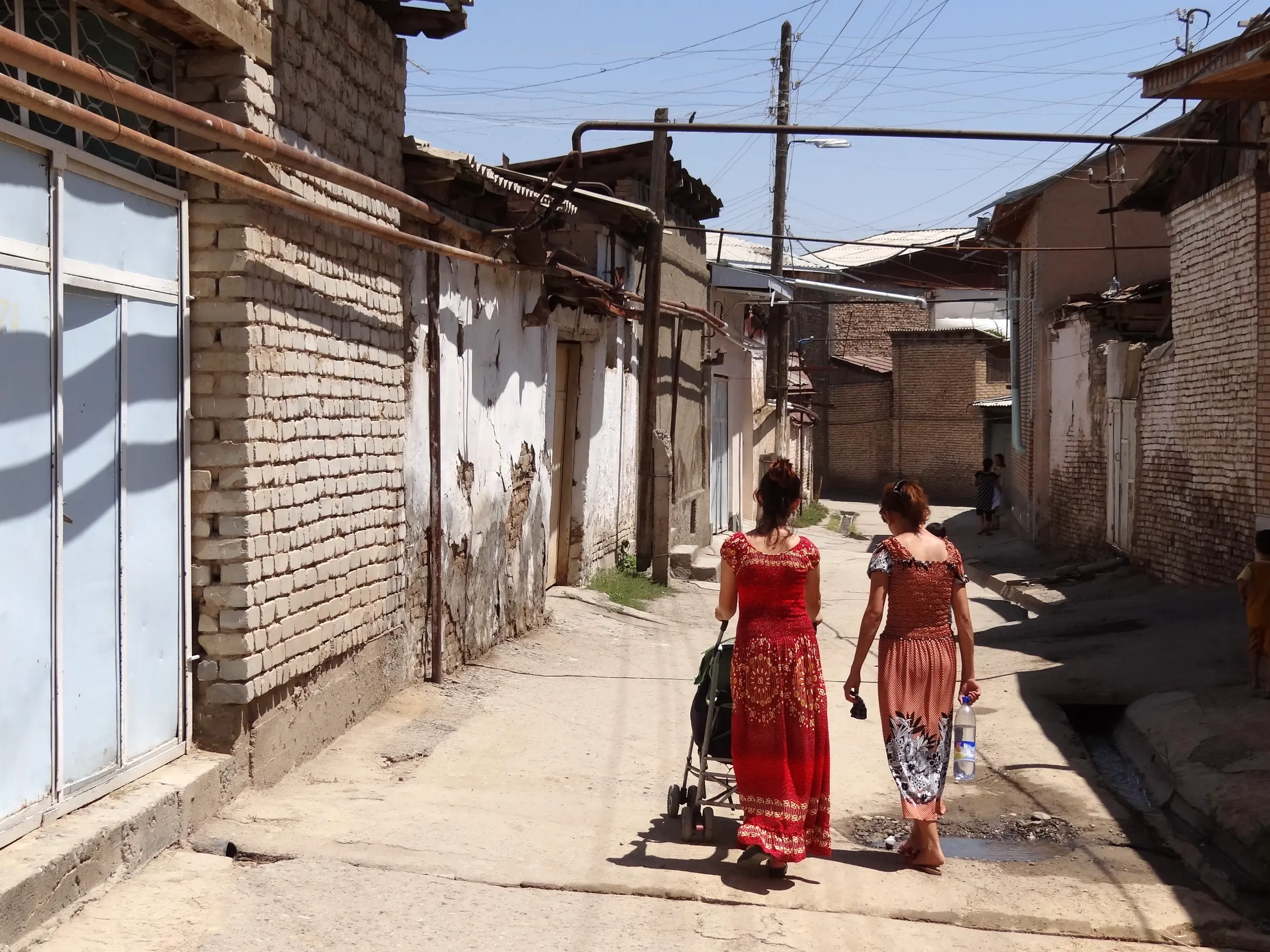
The synagogue stands at the heart of the Mahallai Yahudiyon, in the east of the old city – once one of the largest Jewish quarters in Central Asia. It was governed by a respected, religiously learned kalontar – Judeo-Tajik for 'the eldest of all' – and had its own synagogues, heder schools, bathhouse, teahouse and workshops of dyers, cobblers and weavers. From the 1970s most families emigrated to Israel, the United States and elsewhere, and only a handful remain today – yet descendants still return to see their old family homes and visit ancestral graves. Several old houses now serve as guesthouses, and some lanes bear the names of well-known Samarkand Jews. Opposite the synagogue is the Hammomi Dovudi bathhouse, in business since 1893.

Gallery
Stay & eat
Hostel · 150 m
Hostel · 250 m

Hotel · 300 m
Guesthouse · 350 m
Plov centre · 350 m
Café · 600 m

Restaurant · 650 m
Teahouse · 650 m


For example: Registan, Ulugh Beg, plov, Urgut


