
Ak-Saray Mausoleum
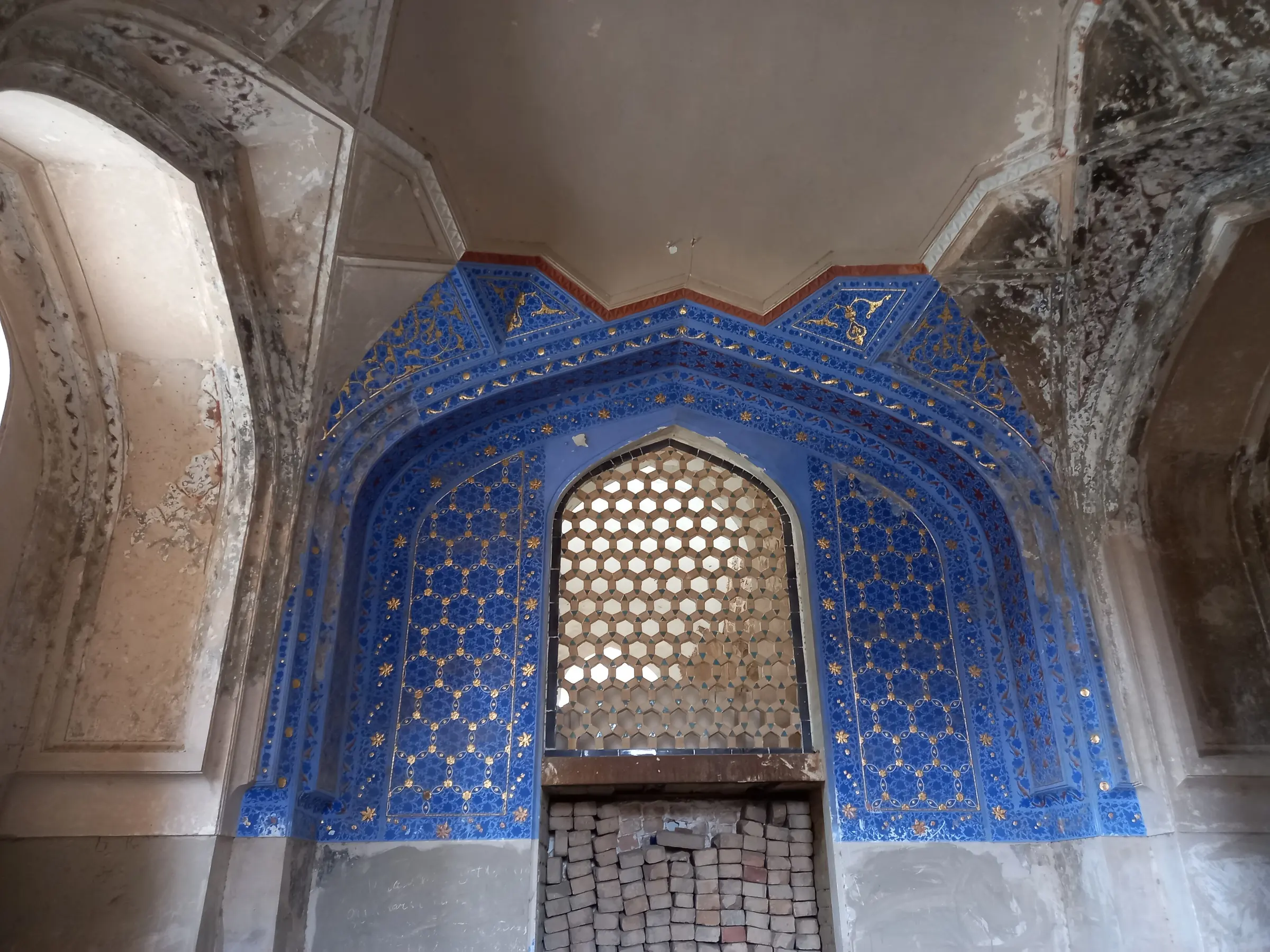
Plain outside, golden within
This site is in test mode — some information may contain errors.
Report
The roofless tomb of Timurid princesses
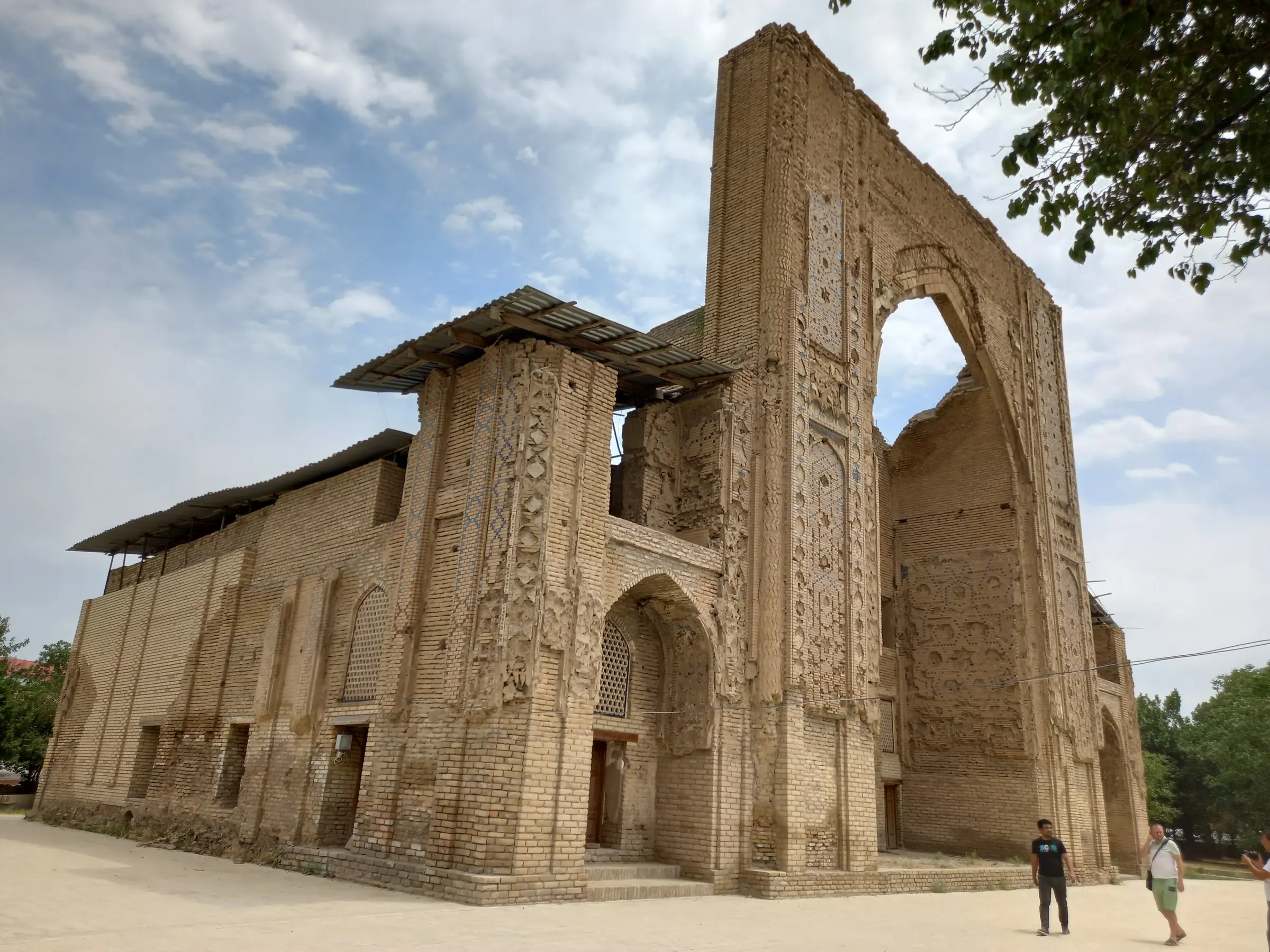
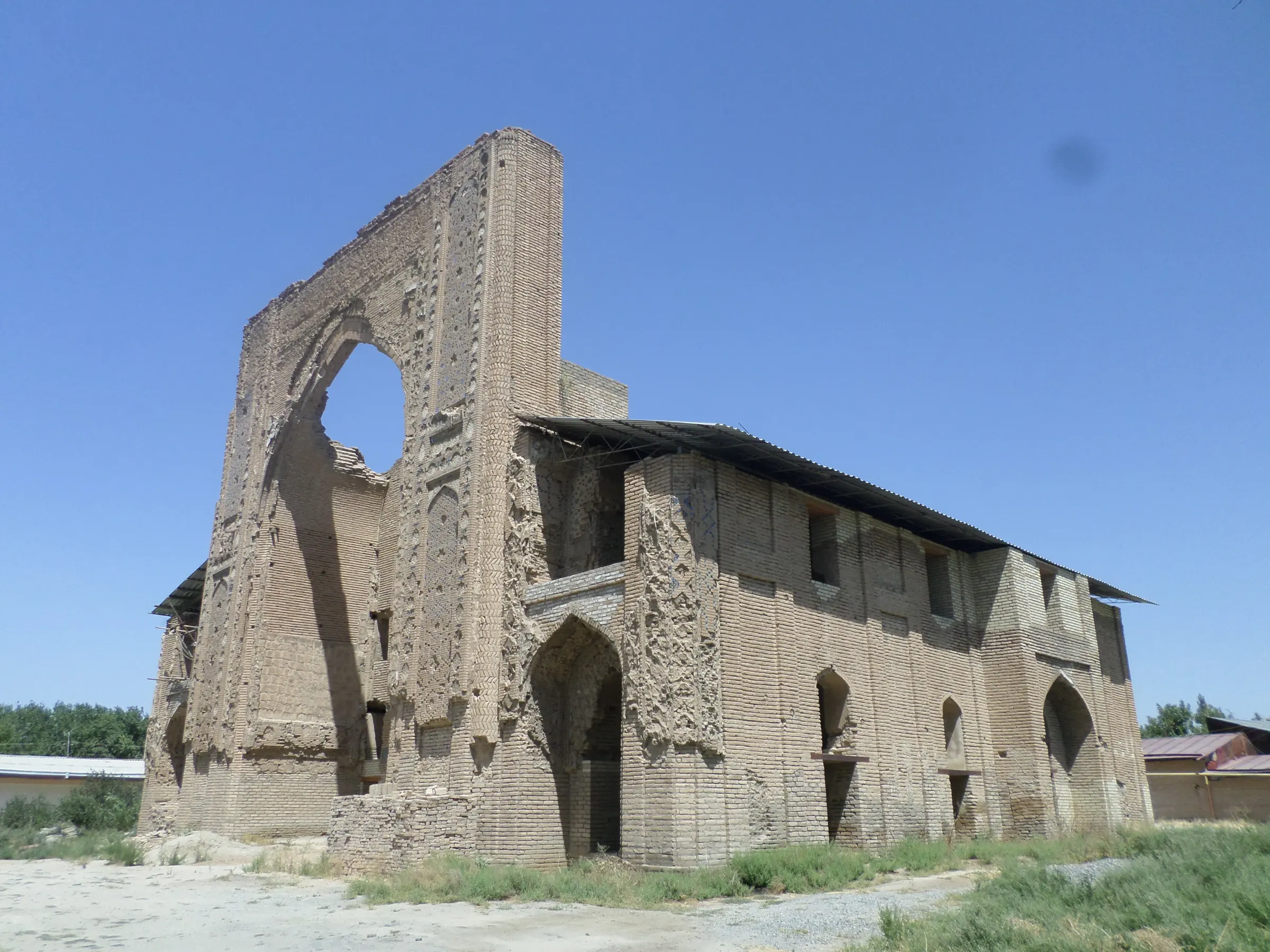
A mausoleum built by Habiba Sultan Begim, wife of the Timurid ruler Abu Said, for her daughter (1460s): its dome fell in the 1903 earthquake, yet its intricate vaulting still fascinates architects.
Ishratkhana is Persian for "house of pleasure". Nineteenth-century Samarkand folklore claims that Timur ordered a palace built here after a romantic encounter; another tale has him so struck by the beauty of a tomb under construction that he declared it should be a house of joy, and the mausoleum built elsewhere. But Timur died half a century before the building went up, so these are legends pure and simple. Some writers derive the name from the Arabic ashrat, "ten" — "ten rooms" — though no document supports this.
According to an endowment deed of 1464 found by the archaeologist V. L. Vyatkin, the building was raised by Habiba Sultan Begim, wife of the Timurid ruler Sultan Abu Said, over the grave of her daughter Khavand Sultan Begim, who died young. The deed calls it "the building under the turquoise dome next to the shrine of Khoja Abdi Darun". Its spacious octagonal crypt later became a dynastic burial vault for 23 women and children.

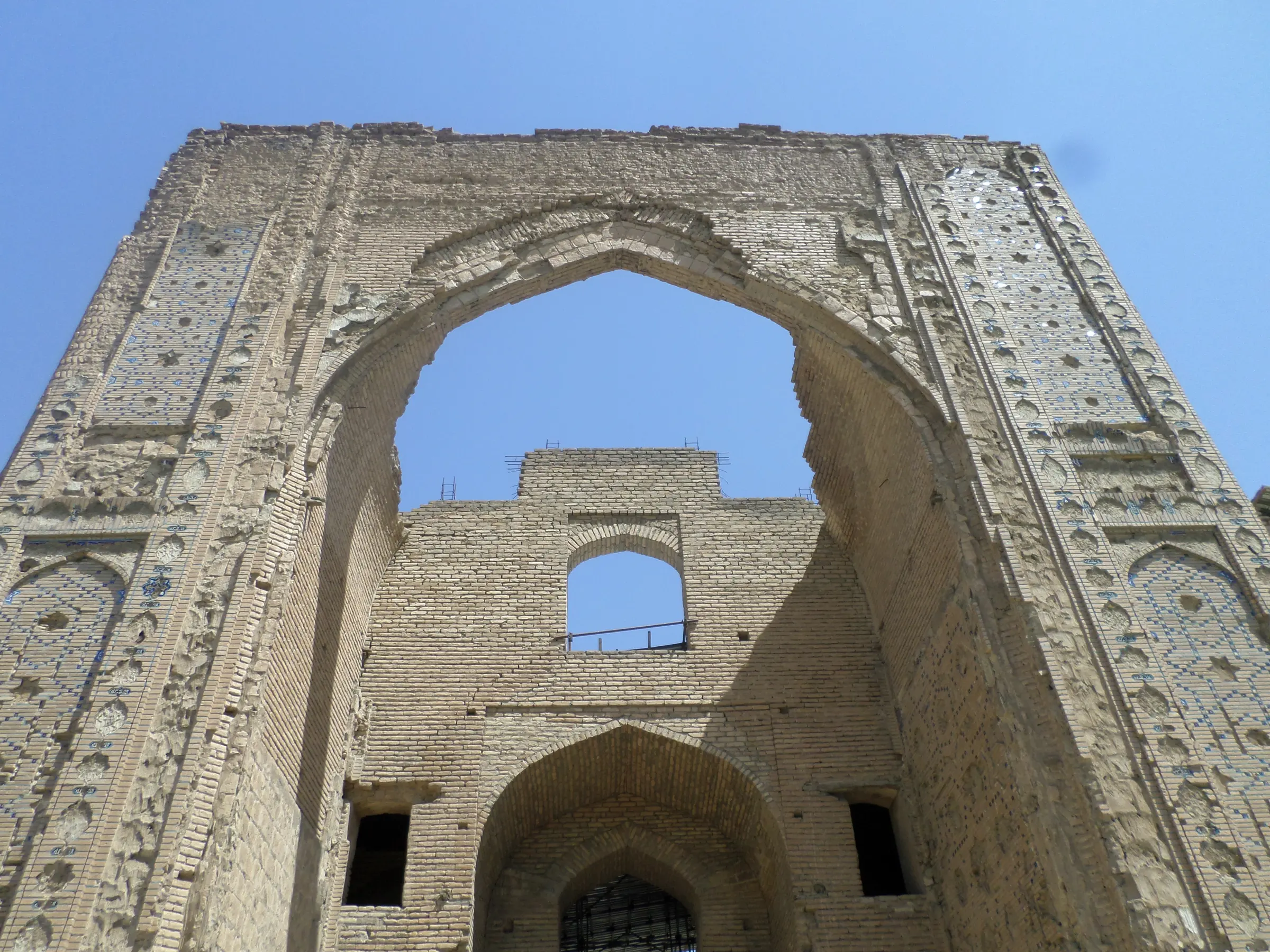
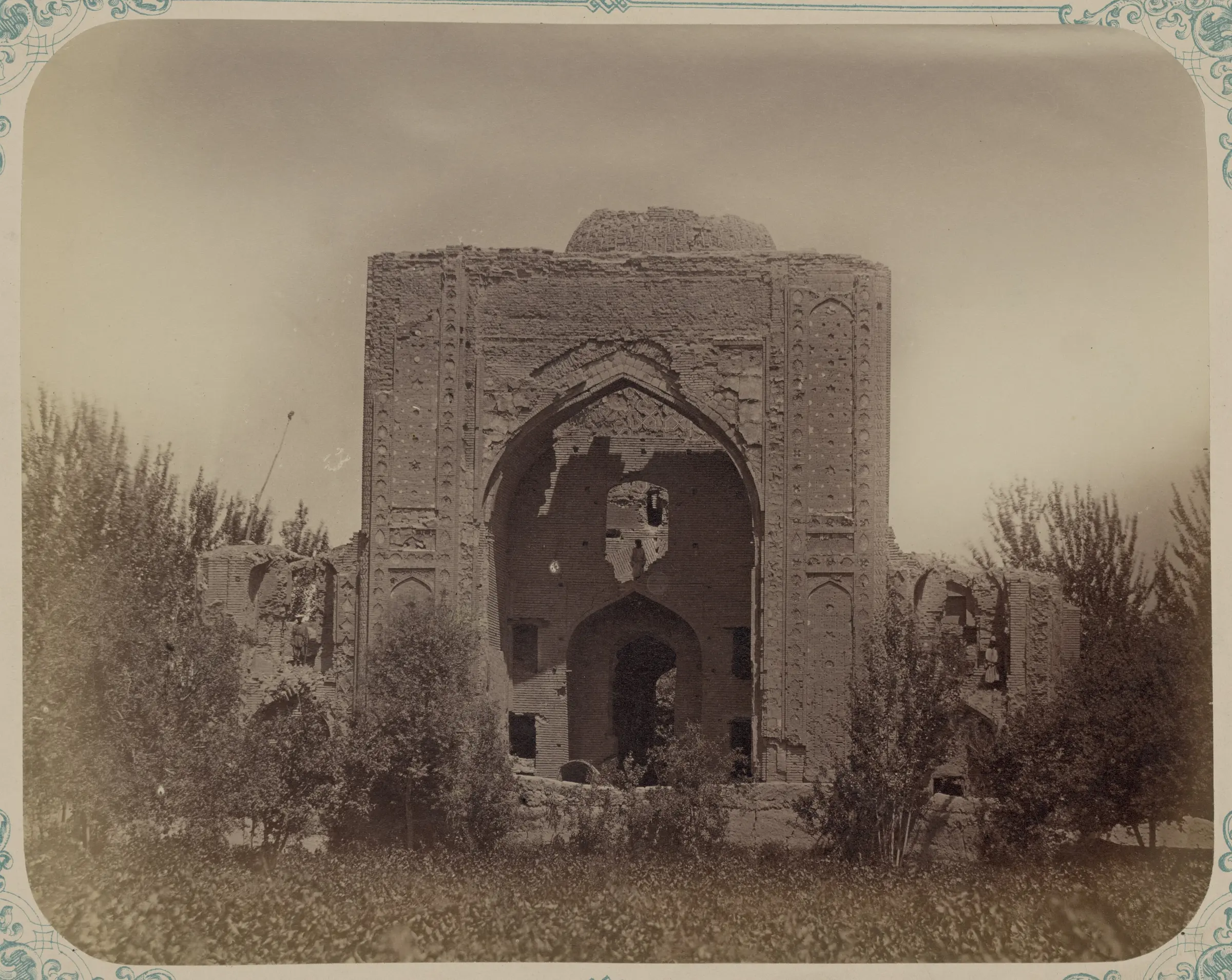
At the centre was a tall, cross-shaped hall crowned by a turquoise dome on a slender drum, flanked by two storeys of service rooms and a memorial mosque from which steps led down to the crypt. The high portal was decorated with two-tier loggias, and the interior was lavishly gilded and painted. The vaulting of the hall — a web of intersecting arches and shield-shaped pendentives — is regarded as one of the most sophisticated solutions in 15th-century architecture.
In the 17th century, as new madrasas went up on the Registan, the Ishratkhana was stripped of its marble panelling. The dome and its tall drum survived until the earthquake of 1903; their appearance is known from a photograph of 1872. Excavations by Mikhail Masson and Galina Pugachenkova in 1939–1940 showed that the building sits on deep foundations and uncovered female burials in the crypt. Today the Ishratkhana stands roofless and half-ruined, yet even its surviving walls speak of former grandeur.
Gallery
Related places
Plain outside, golden within

Tomb of Timur and his dynasty

The avenue of mausoleums
Nearby


Stay & eat
Guesthouse · 1.0 km
Hostel · 1.1 km
Hostel · 1.2 km
Guesthouse · 1.4 km
Restaurant · 550 m
Restaurant · 550 m
Restaurant · 1.6 km


For example: Registan, Ulugh Beg, plov, Urgut