
Siyob Bazaar
Samarkand's biggest and oldest market
This site is in test mode — some information may contain errors.
Report
From trading dome to art gallery
An 18th-century domed market hall behind the Registan — once the city's hat bazaar, now a gallery of fine art.
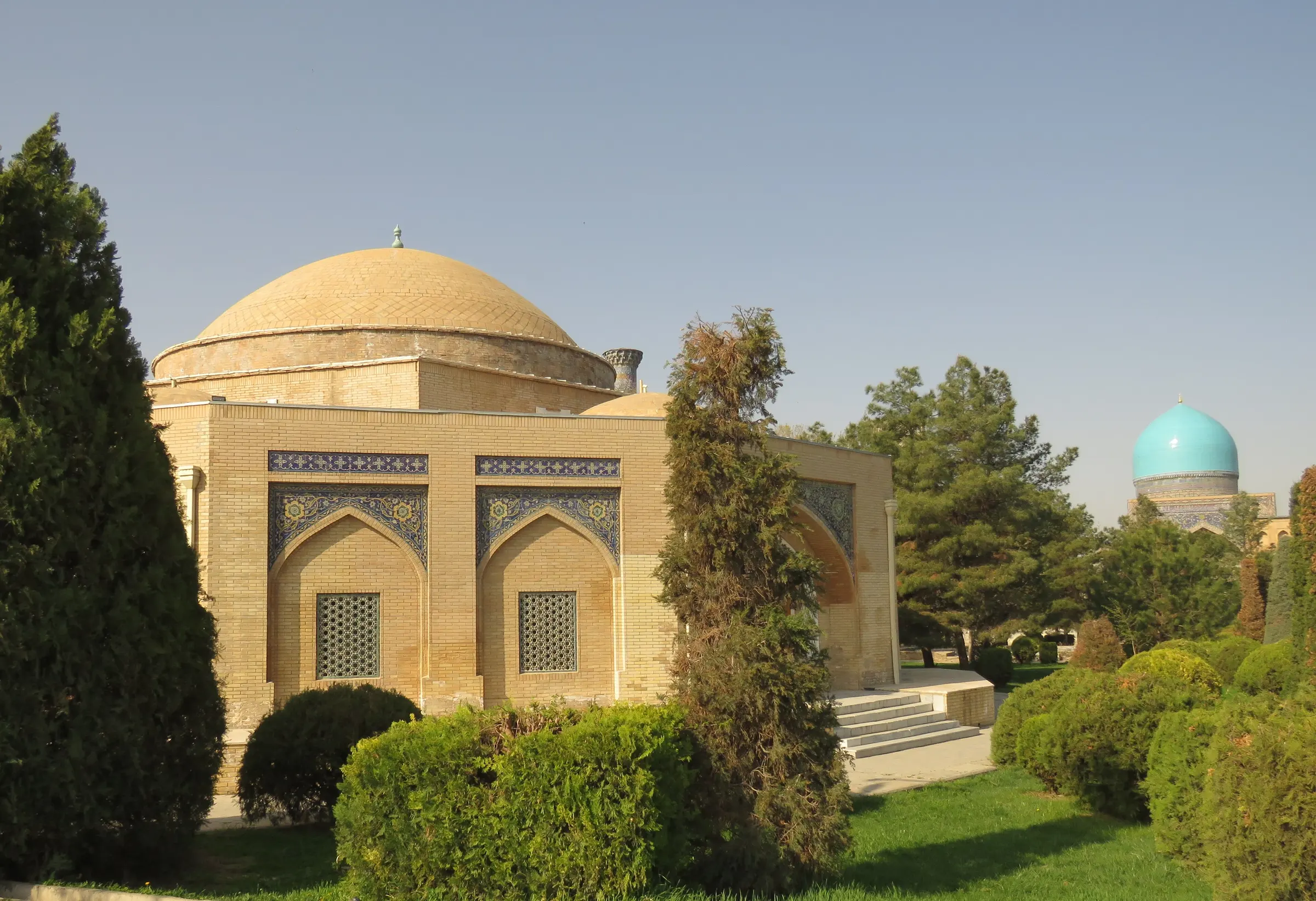
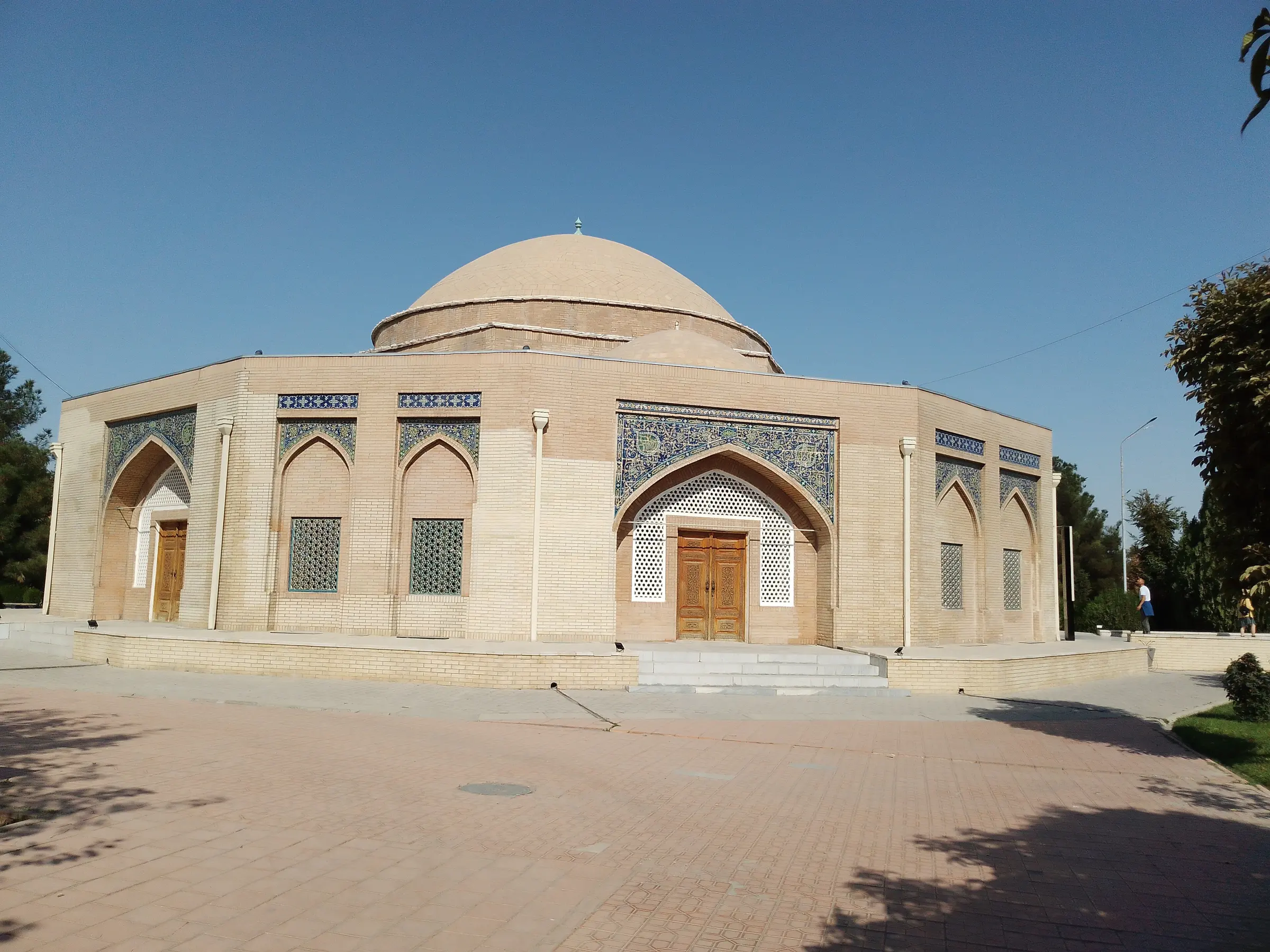
Chorsu is Persian for "four sides" — a crossroads. The word described the covered market halls, or tims, built where city streets met. According to the Registan Ensemble Directorate the building is hexagonal, with six passages radiating from beneath its tall central dome, matching the number of Samarkand's city gates. Skullcaps and hats were sold here, so it was also known as the hat-sellers' tim, Telpak-furushon; a trading dome already stood on this spot in the 15th century.
The present building dates from the late 18th century, when Shahmurad, later Emir of Bukhara, governed Samarkand: 1785 is the usual date, though the Directorate places it in the 1790s. Until the early 20th century clothes, hats, medicines and books were traded here.

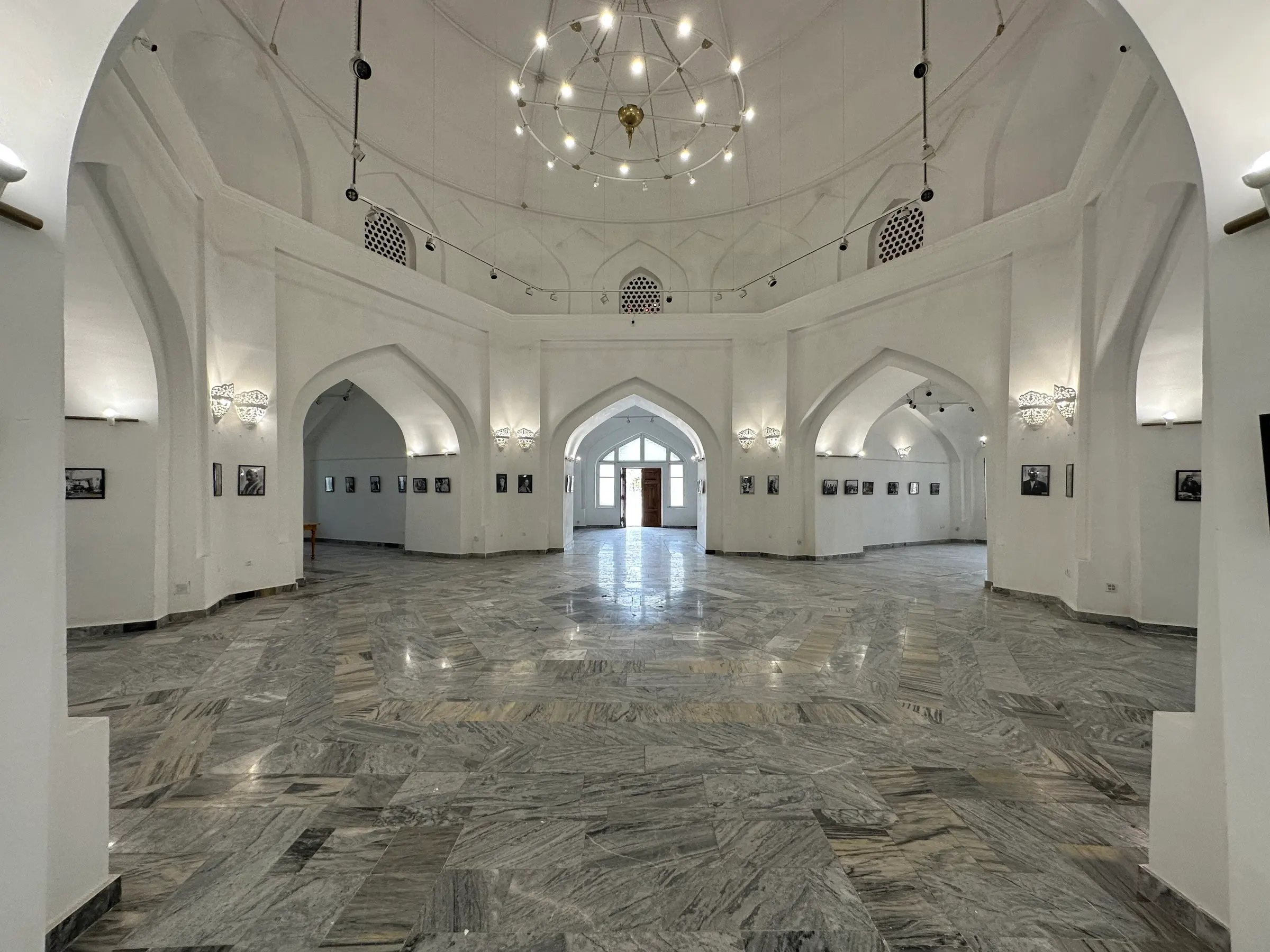
The building was protected as a monument in Soviet times. In 2005 it was handed to the Academy of Arts of Uzbekistan and fully restored, with three metres of accumulated soil removed to give it back its original height. Since then Chorsu has been a gallery for Uzbek and international painters and sculptors rather than a market — which is why we list it as a museum. For shopping, head to nearby Siyob Bazaar.
Gallery
Related places
Samarkand's biggest and oldest market

Timur's colossal Friday mosque
Nearby


The pedestrian street from the Registan to Bibi-Khanym
170 m
Stay & eat
Hotel · 150 m
Guesthouse · 200 m
Hotel · 250 m
Hotel · 250 m
Café · 150 m
Teahouse · 150 m
Restaurant · 200 m
Restaurant · 250 m


For example: Registan, Ulugh Beg, plov, Urgut