
University Boulevard
The shady avenue between the old city and Russian Samarkand
This site is in test mode — some information may contain errors.
Report
Making wine since 1868
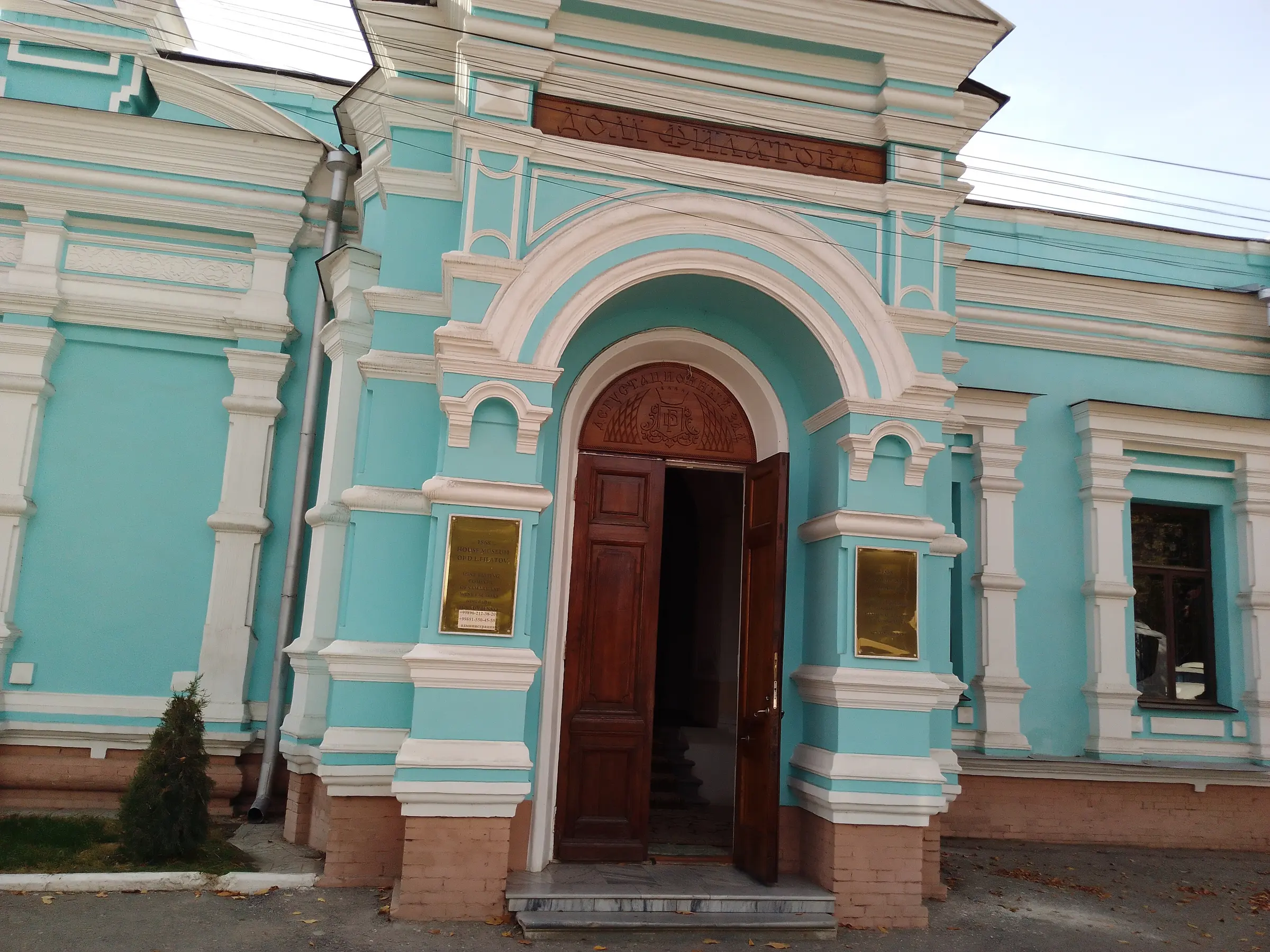
Turkestan's first European-style winery, founded by Dmitry Filatov in 1868, with a museum of Samarkand winemaking in a 1910 mansion and a tasting room.
The Samarkand winery dates its history to 1868, when Dmitry Filatov, a merchant of the first guild, opened a small business making wine from local grapes (some sources say the land for the plant was bought in 1870). It was the first winery in the Turkestan region to use European methods. Within a few years Filatov's wines were winning medals at exhibitions in Paris and Antwerp, and later they were supplied to the imperial court.
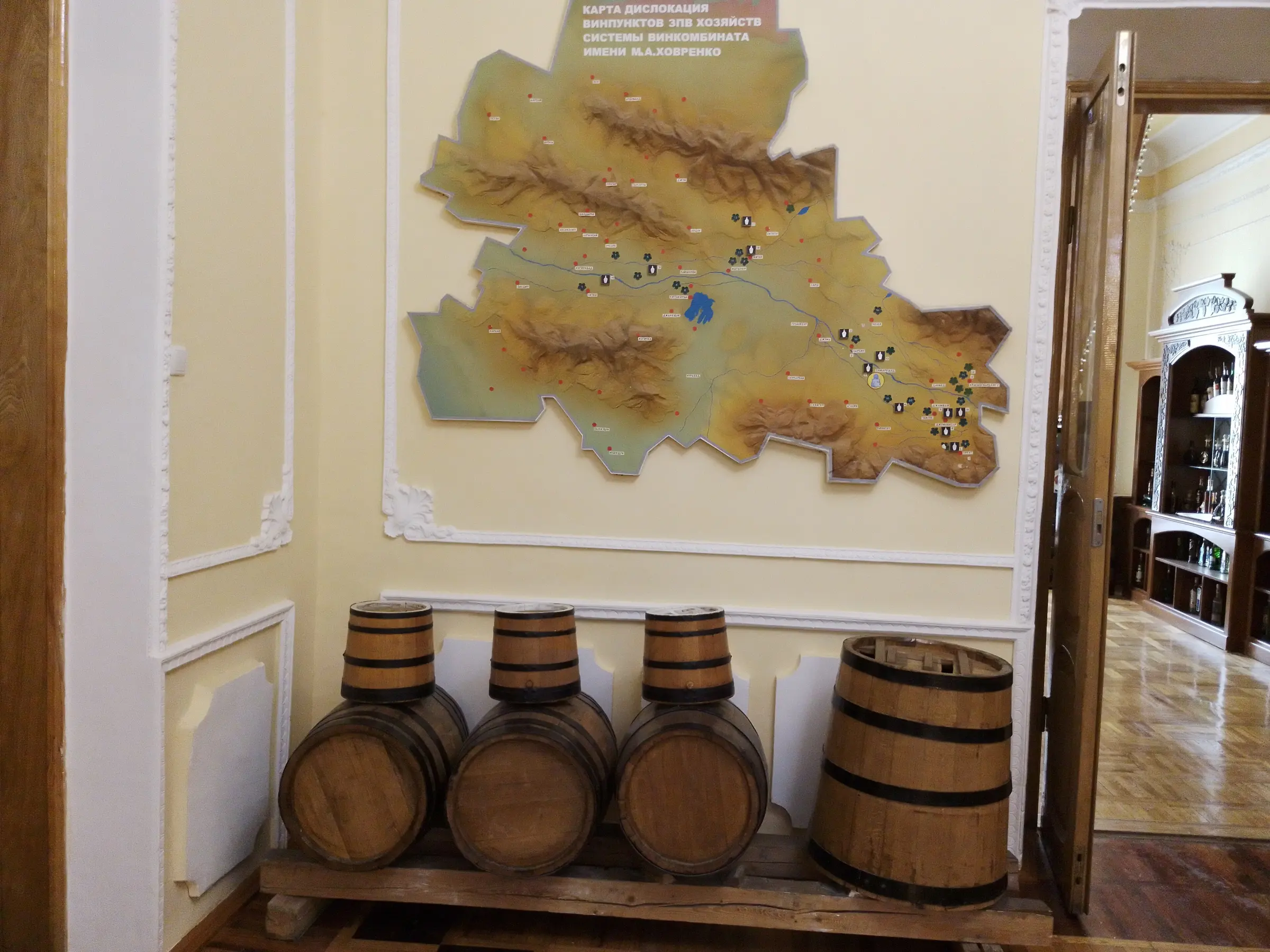
After the revolution the winery was nationalised. In 1927 the chemist and winemaker Professor Mikhail Khovrenko (1866–1940) arrived in Uzbekistan as chief winemaker of the Uzbekvino trust; he put production on a scientific footing, introduced grape varieties new to Central Asia and created new wines, and the plant was later named after him. A collection of long-aged wines was laid down here in 1938.
During the post-revolutionary rebuilding the plant gained Central Asia's first monolithic reinforced-concrete cellars for ageing fine wines, along with French equipment and oak vats and barrels. Samarkand already had a winemaking pedigree: in 1904 it opened a school of horticulture, viticulture and winemaking, the only one in the whole Turkestan region.

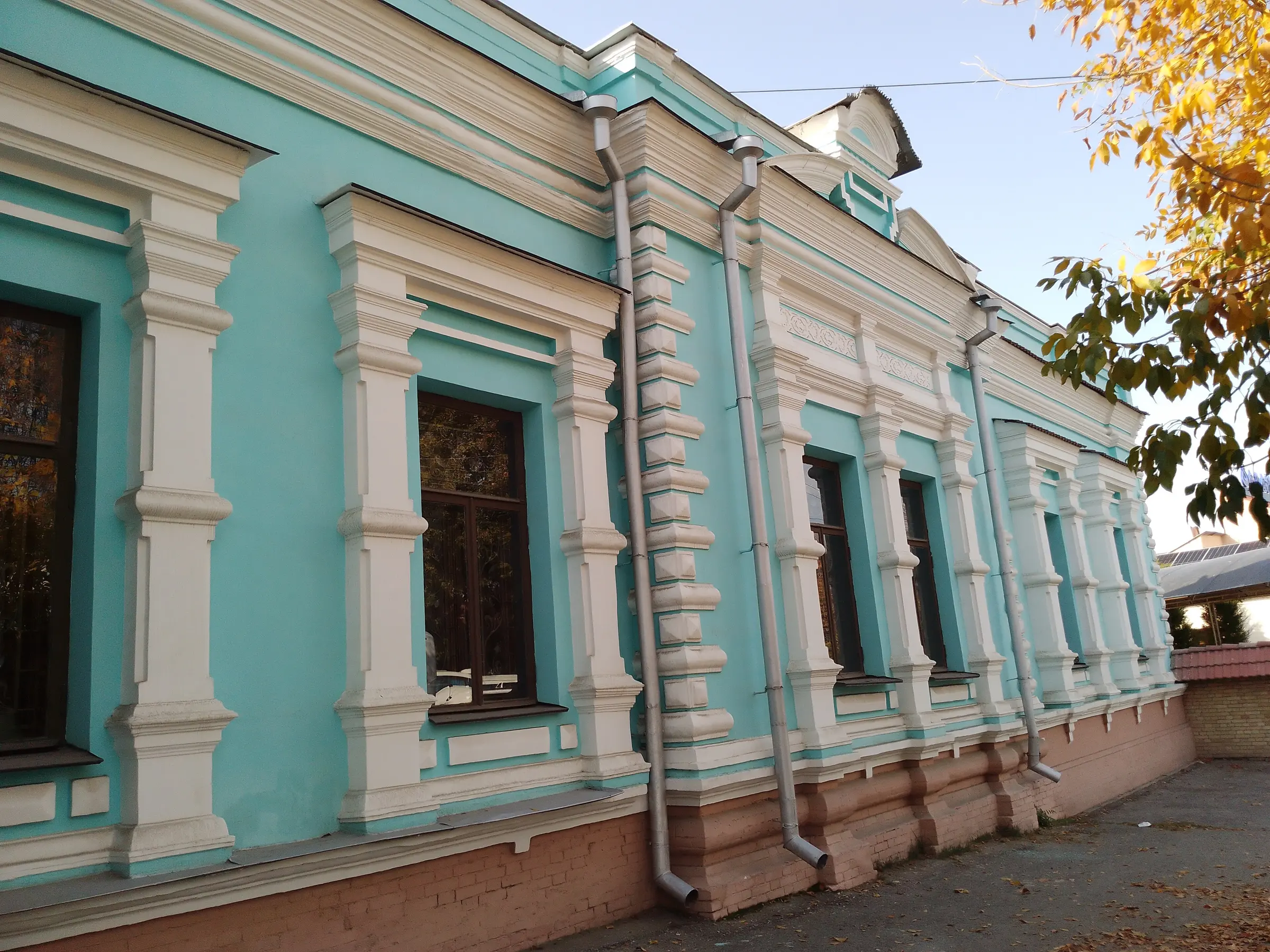
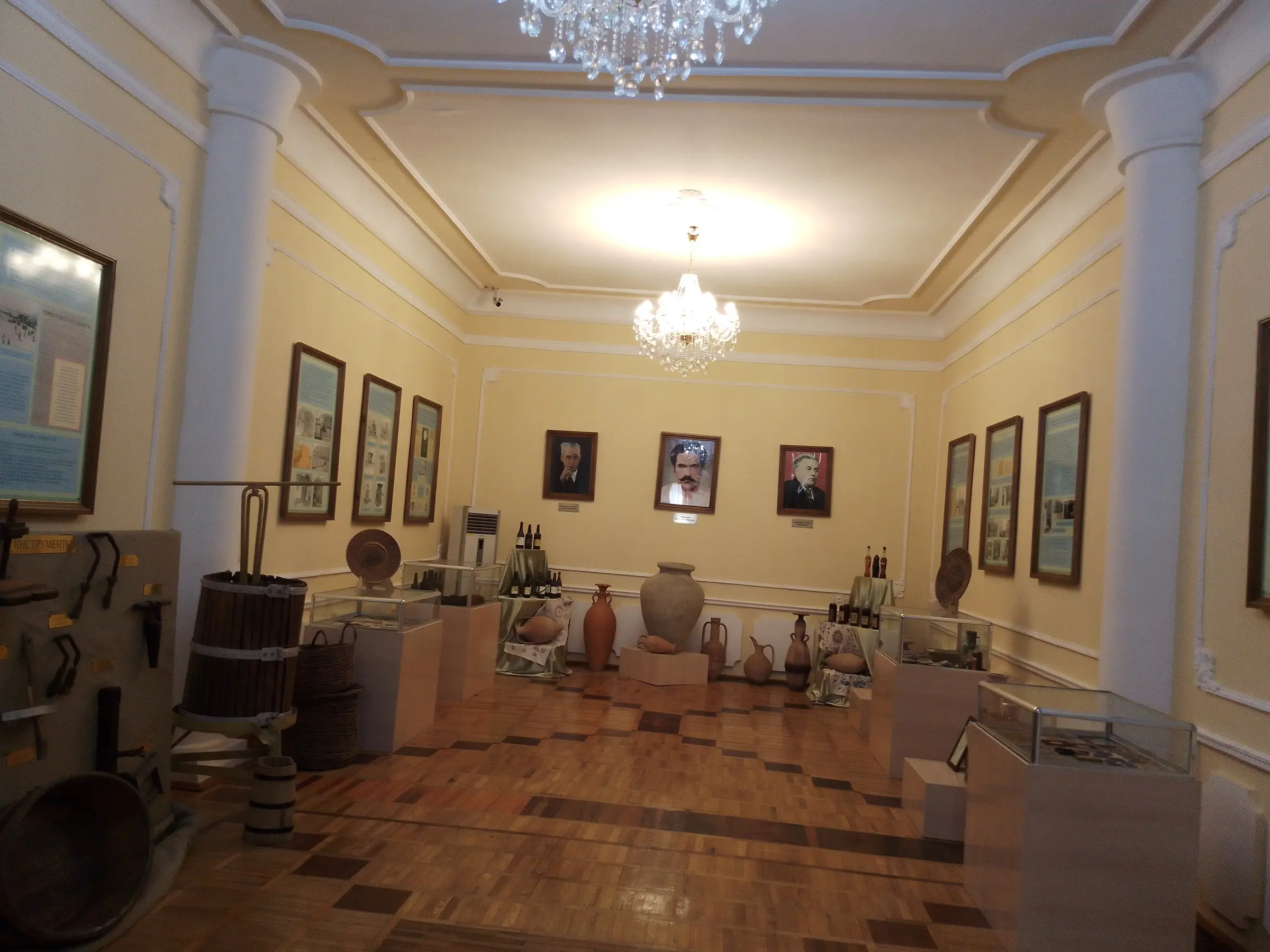
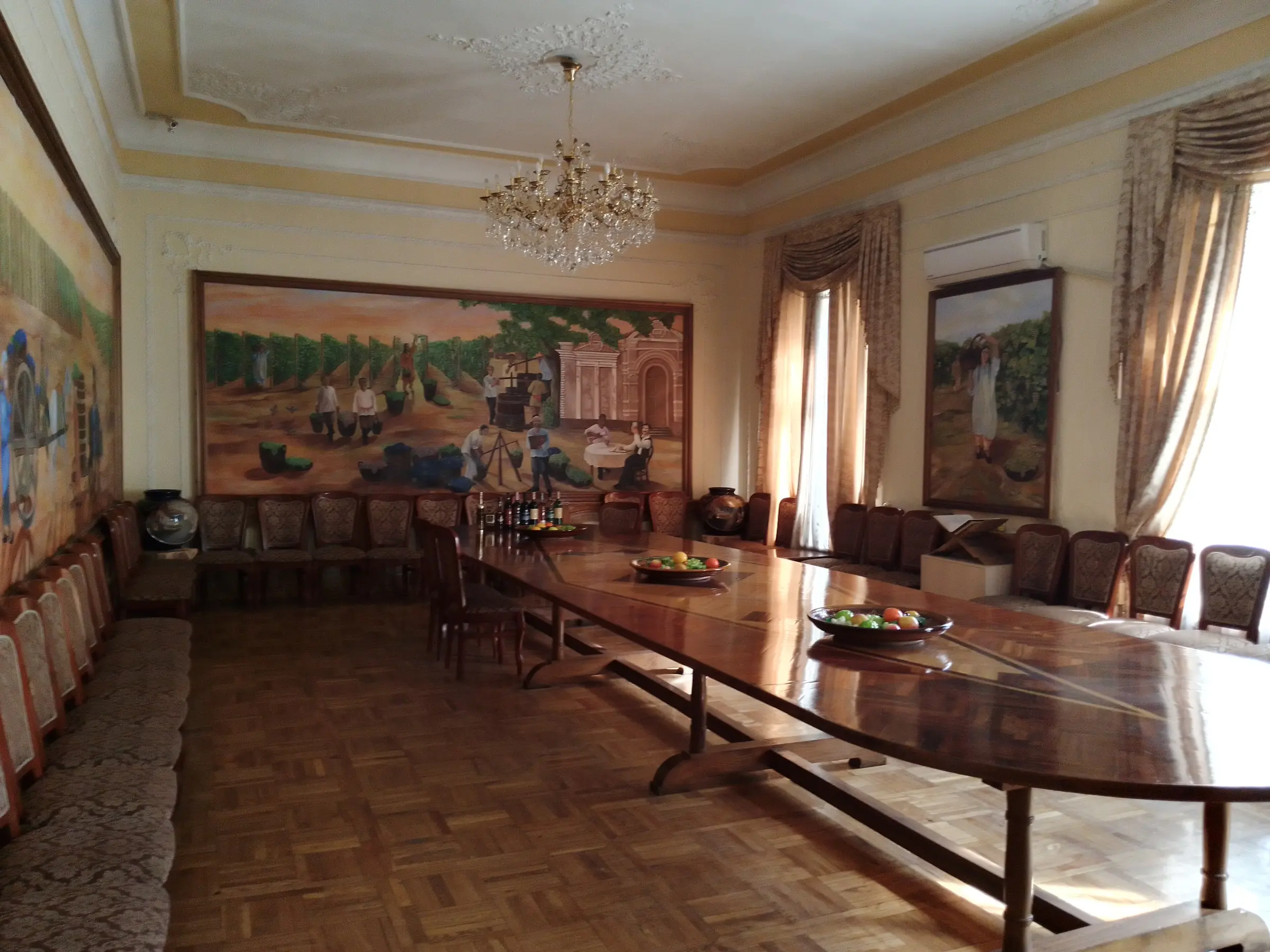
The Museum of the History of Samarkand Winemaking occupies an elegant brick mansion built in 1910 to a design by the architect Stogov, with tall arched windows and patterned brickwork. Exhibits include archive labels, old bottles, documents, photographs and winemaking equipment. Legend has it that before leaving the city Filatov walled up his finest wines in a hidden cellar, where they were found decades later during repairs. The tasting room pours the winery's wines and brandies, including the well-known Samarkand cognac.
By its centenary in 1968 the winery was producing 20 wines, 5 brandies and 11 liqueurs and spirits. During the Second World War it made industrial alcohol for the front, and wine production resumed only in 1946.

Details may change — please check before you visit.
Gallery
Related places
The shady avenue between the old city and Russian Samarkand

From the Neolithic to the present
Still the “Chekhov Theatre” to locals
Nearby


Stay & eat
Hotel · 300 m
Hostel · 400 m
Hotel · 600 m
Hotel · ★★★ · 700 m
Restaurant · 150 m
Fast food · 350 m
Fast food · 350 m
Restaurant · 400 m


For example: Registan, Ulugh Beg, plov, Urgut