
Afrasiyab Museum
Home of the Hall of Ambassadors
This site is in test mode — some information may contain errors.
Report
From the Neolithic to the present
Founded in 1896, the largest museum of the Samarkand Museum-Reserve: a Saka warrior's helmet, Sogdian ossuaries, a Hephthalite silver bowl and over 235,000 catalogued items.
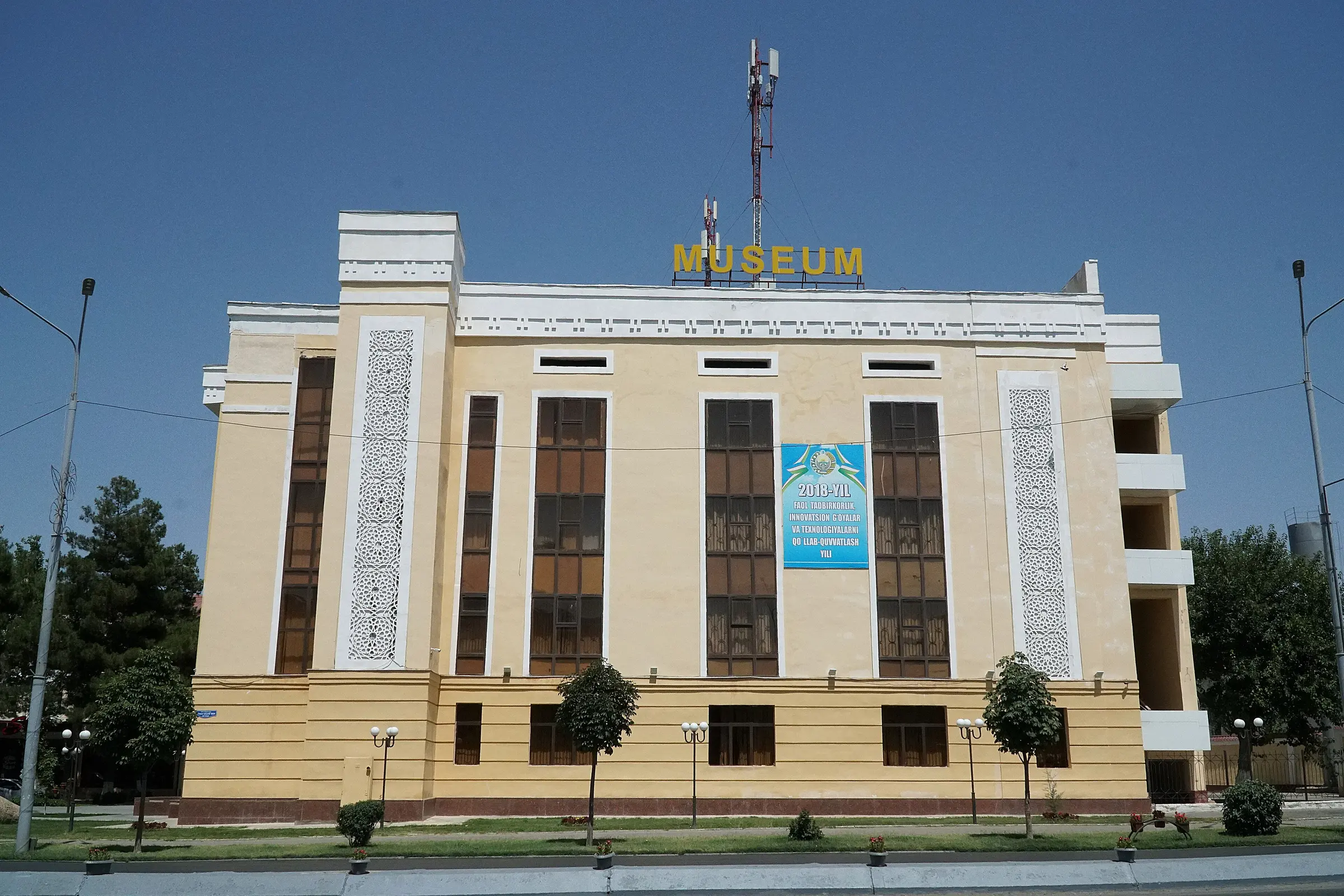
The museum traces its origins to 21 July 1896, when the Samarkand Regional Statistical Committee opened a museum. Over the following decades it was in turn the city museum, the State Central Museum of Uzbekistan and the Republican Museum of History, Culture and Art, and in 1982 it became part of the Samarkand Museum-Reserve. From 1978 to 2010 it occupied a building next to the Registan before moving to renovated premises on Mirzo Ulugbek Street. Today it is the reserve's largest museum, with more than 235,000 items in its holdings.

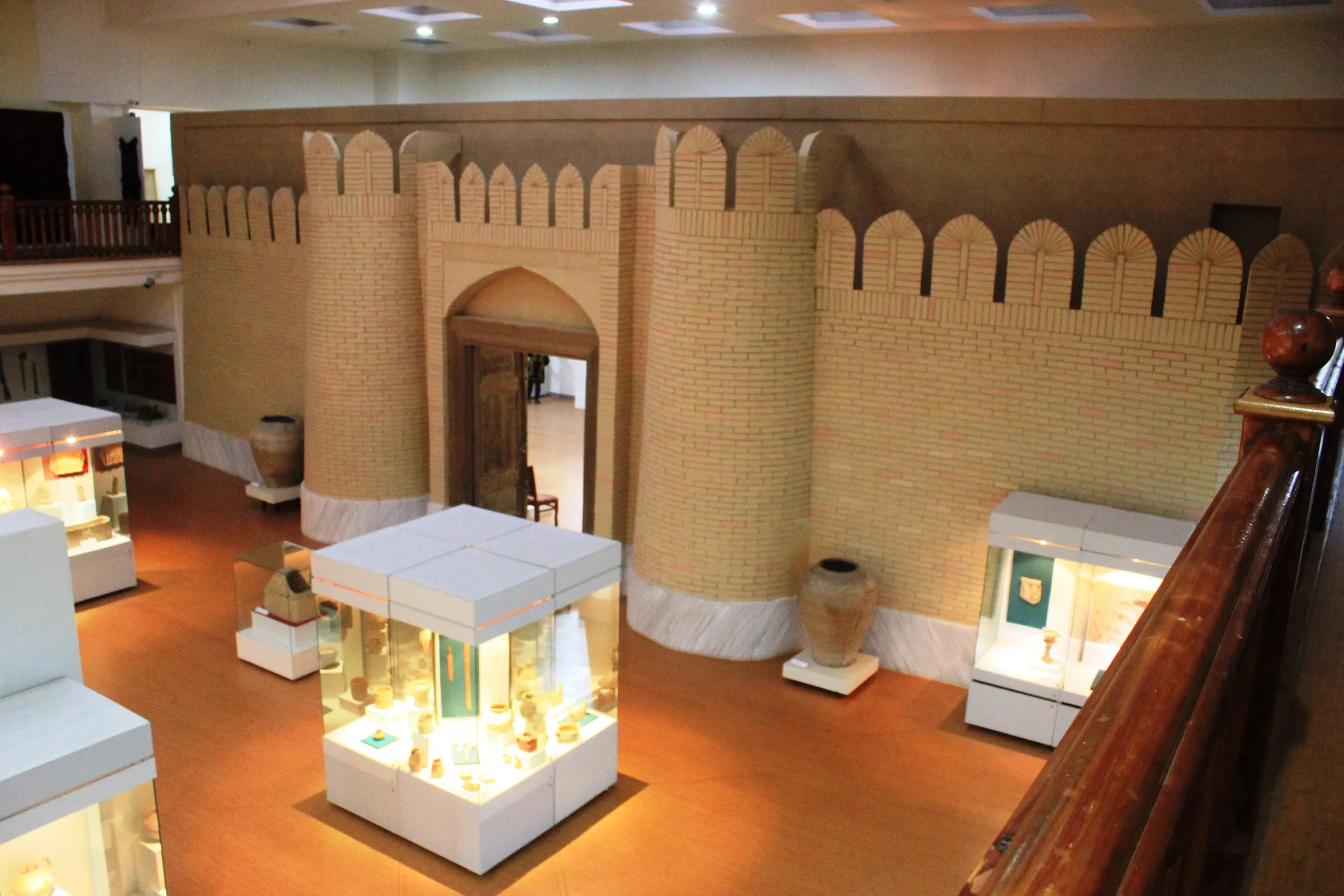
The displays begin with Neolithic rock art from Zarautsoy and Sarmish, then move through Bronze Age finds from Djarkutan and Sapallitepa, a Saka warrior's helmet of the 6th century BC found in Samarkand, Hellenistic pottery and Sogdian terracottas. Look out for objects from the Buddhist temple at Karatepa, a 4th–5th-century Hephthalite silver bowl from Chelek, Sogdian ossuaries linked to Zoroastrian burial rites, and examples of the Sogdian documents on leather from Mount Mugh.
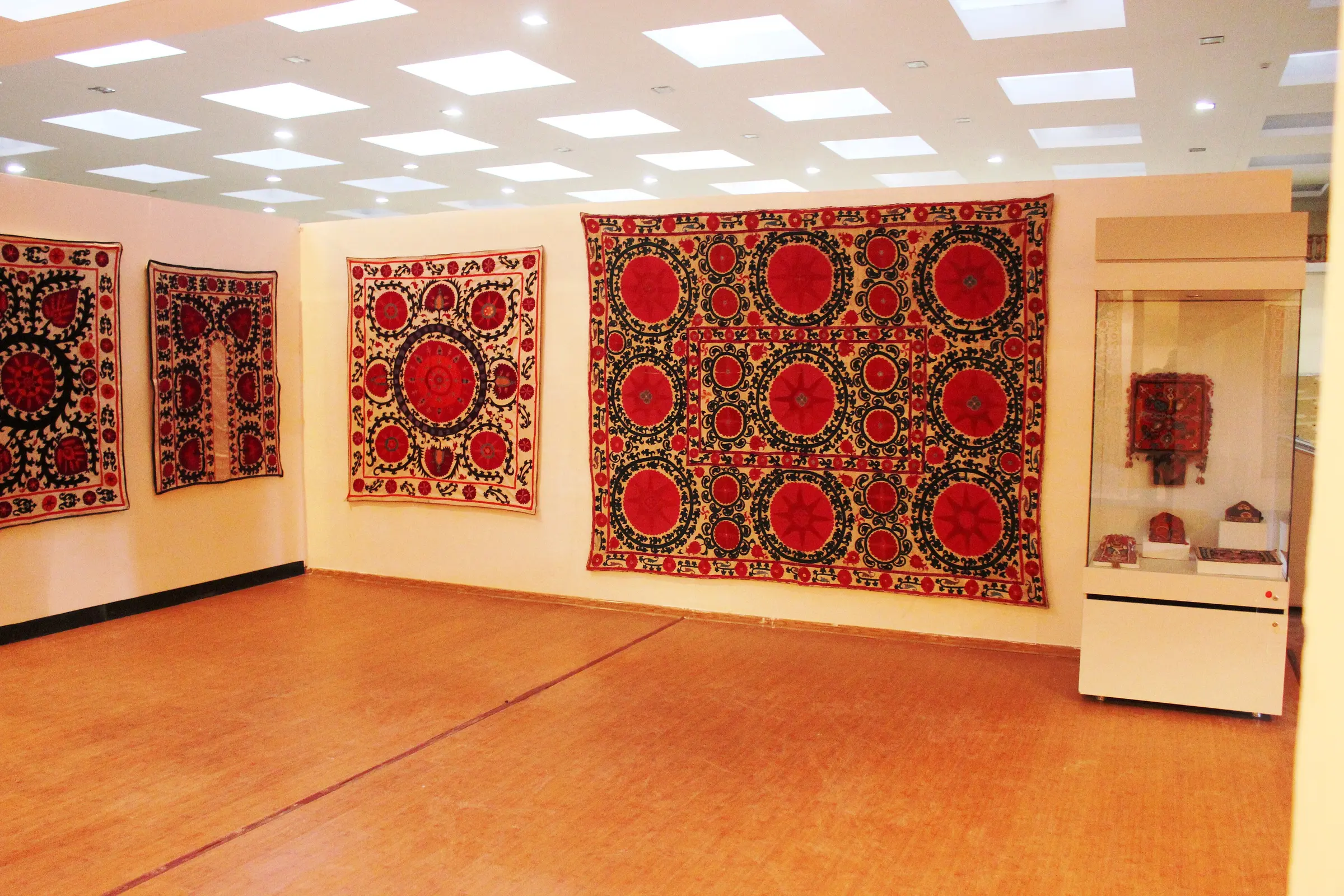
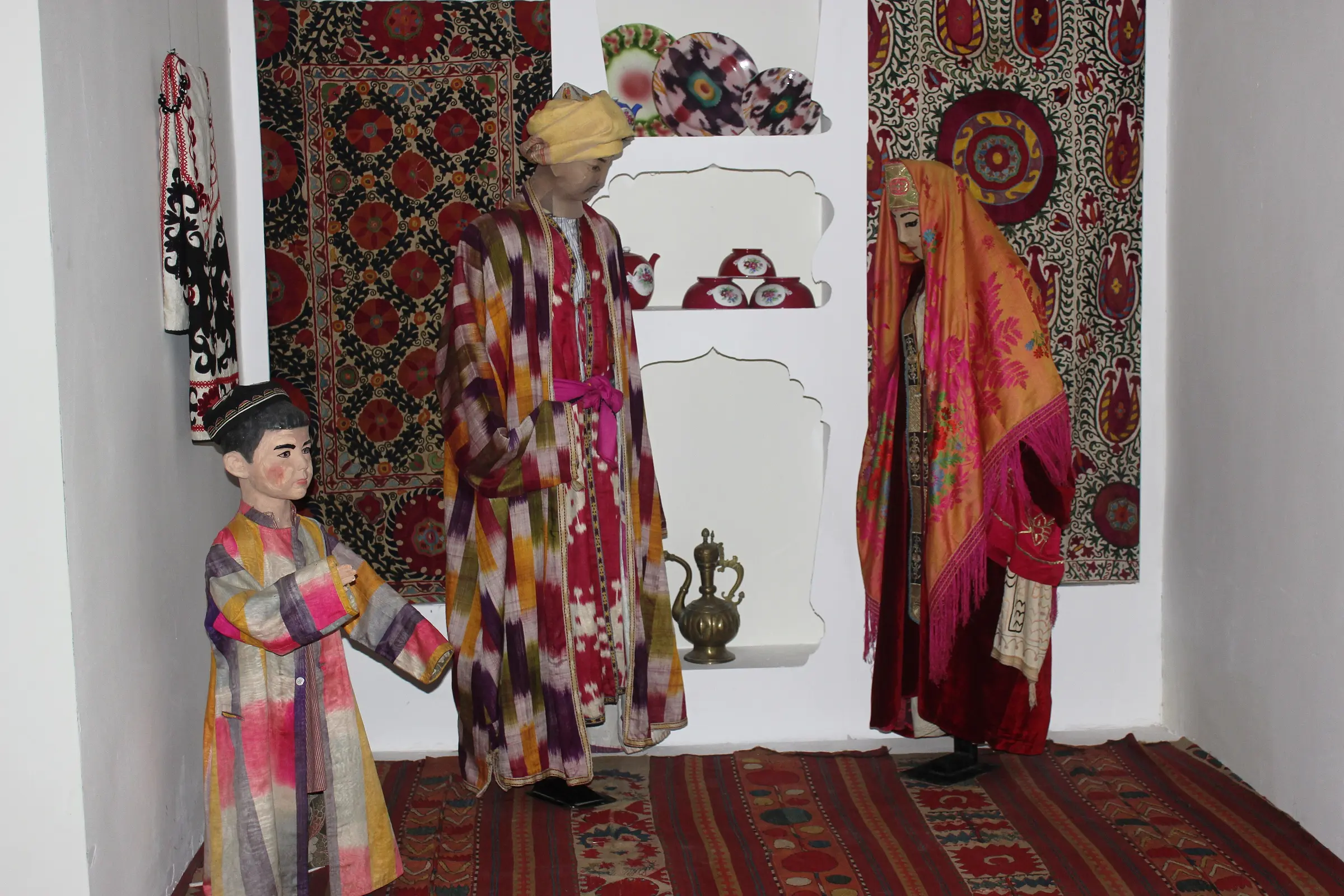
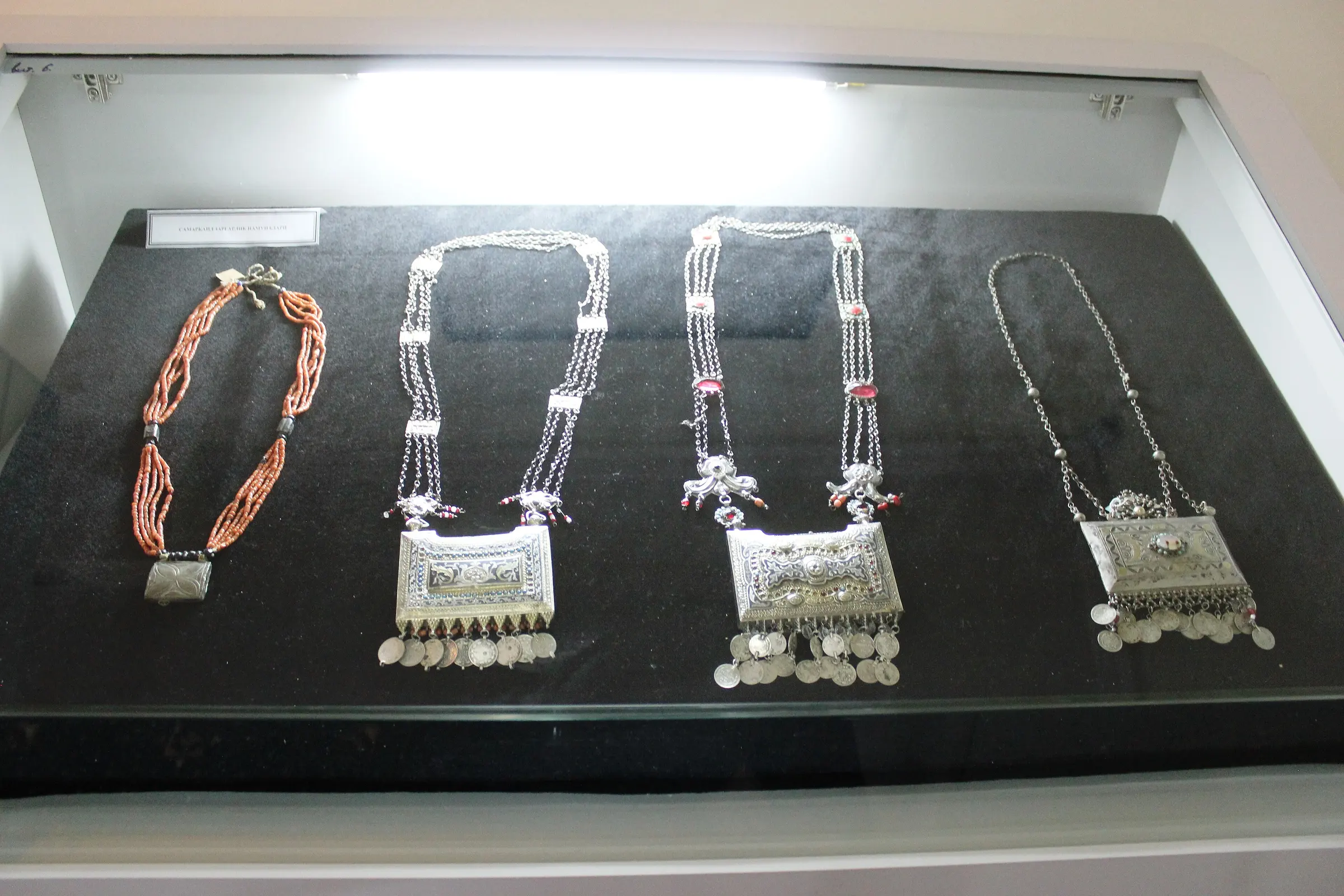
The medieval rooms hold a 12th-century bronze casket decorated with scenes from the Shahnameh, antique chess pieces and a 15th-century boy's robe from the Amir Burunduq mausoleum at Shah-i-Zinda, one of the oldest surviving pieces of Central Asian textile. There are also jewellery, embroidery from the Bukhara, Nurata, Samarkand and Shahrisabz schools, ikat silks, and paintings by Chingiz Akhmarov, Ural Tansykbaev and Pavel Benkov. A separate exhibition covers the study of Amir Temur's mausoleum.
Samarkand's first attempt at a museum came even earlier, in 1874, but that amateur venture was shut down in the early 1880s. The 1896 museum has run without a break ever since. Its building now also houses the main store of the entire museum-reserve, and themed sections cover the origins of writing in Central Asia, the history of Uzbek ceramics and the region's fine textiles.

Details may change — please check before you visit.
Gallery
Related places
Home of the Hall of Ambassadors

The ruins of pre-Mongol Samarkand

The avenue of mausoleums

Tomb of Timur and his dynasty
Nearby


Stay & eat
Restaurant · 250 m
Restaurant · 700 m
Restaurant · 800 m
Fast food · 900 m


For example: Registan, Ulugh Beg, plov, Urgut